In 2026, the landscape of homeownership and insurance is shifting rapidly. With the average number of billion dollar weather and climate events rising to 23.0 per year between 2020 and 2024, compared to roughly 13.1 in the previous decade, the financial risks associated with homeownership have never been higher.
If you find yourself facing property damage after a disaster, knowing how to navigate your insurance policy is the most critical step toward recovery. This guide breaks down exactly what you need to do, how to document your losses, and why your policy details matter more than ever.
The New Reality: Insurance and Climate Risk
Climate change is reshaping how insurance companies assess risk. As these events become more frequent, homeowners are seeing higher premiums and, in some cases, difficulty finding coverage.
Understanding Your Coverage Gap
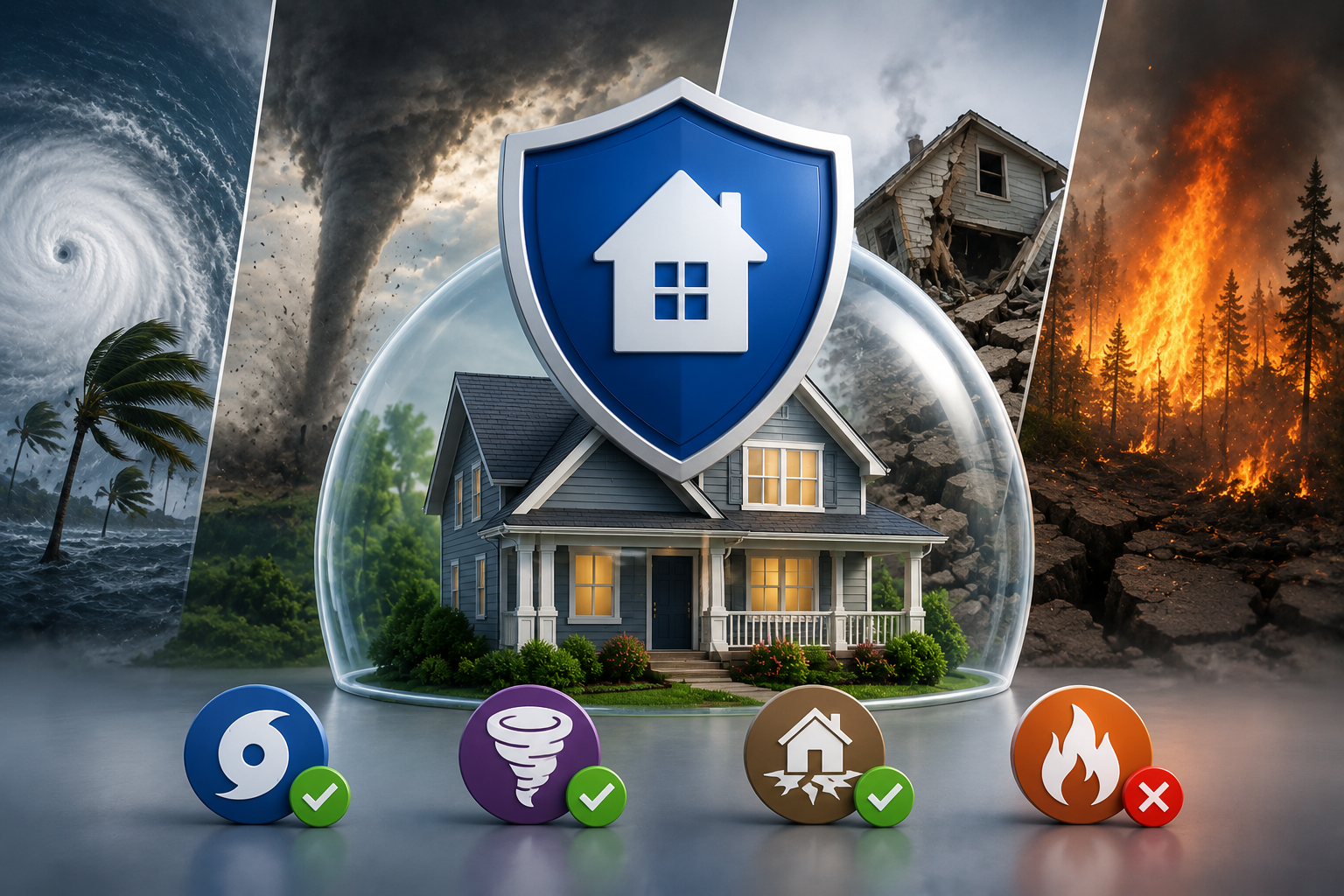
Many homeowners assume a standard policy covers everything. However, most standard home insurance policies exclude specific disasters like floods and earthquakes.
Disaster Type
Often Covered by Standard Policy?
Recommended Action
Wildfire
Yes
Confirm replacement cost coverage
Windstorm
Yes
Check for “named storm” deductibles
Flood
No
Purchase a separate NFIP or private policy
Earthquake
No
Purchase separate “difference in conditions” coverage
Pro Tip: Never base your coverage on the current market value of your home. Always base it on the actual cost to rebuild your home today.
Immediate Steps After a Disaster
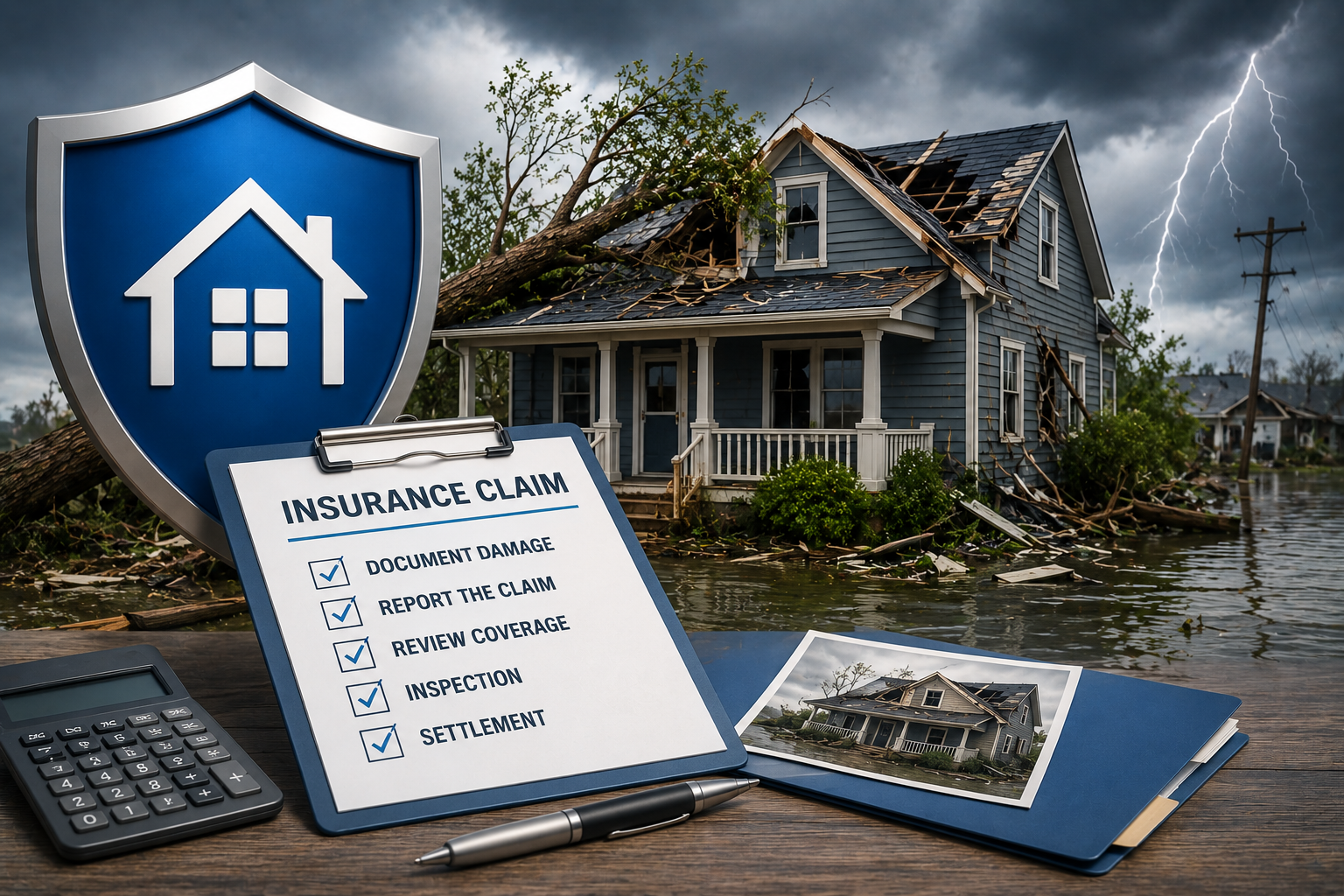
When a disaster strikes, your primary goal is safety followed by securing the property to prevent further damage. Once the area is declared safe, follow this protocol to protect your claim.
1. Secure the Property
Insurers generally require homeowners to take reasonable steps to prevent further damage after an incident, such as covering broken windows or patching a leaky roof. Keep receipts for all emergency repairs, as these are often reimbursable under your “loss of use” or “additional living expenses” coverage.
2. Document Everything
Documentation is the foundation of a successful insurance claim. Start this process as soon as you have access to your property.
Create a Master Inventory: List every major possession, including when you bought it and its approximate value.
Visual Evidence: Use your phone to record video or take high-resolution photos of every room. Do not clean up or discard damaged items until a claims adjuster has inspected them, unless it is necessary for safety.
Digital Backups: Upload your inventory and photos to a cloud storage account immediately to ensure they are not lost if your device is damaged.
Navigating the Claims Process
The claims process can feel overwhelming, especially during high-stress periods.
Managing Claim Surges
Following large-scale disasters, insurance companies often experience “claim surges” that can lead to delays. To expedite your claim:
File Promptly: Contact your insurer the moment it is safe to do so.
Maintain a Communication Log: Keep a record of everyone you speak to, including dates, names, and what was promised or discussed.
Understand “Loss of Use”: If your home is uninhabitable, your policy should cover additional living expenses like hotel stays, restaurant meals, and temporary housing. Always ask your insurer for the specific time and dollar limits of this benefit.
The Role of Independent Assessments
In some cases, especially with complex damage like earthquake or flood, you may want to hire a public adjuster. They work for you, not the insurance company, and can help ensure your damage assessment is thorough.
Why “Anti-Concurrent Causation” Clauses Matter
Many modern policies include “anti-concurrent causation” clauses. These clauses are designed to limit liability when a loss is caused by multiple events, such as wind damage (covered) combined with flood damage (often excluded).
What you can do:
Read your policy specifically for these terms.
If you live in a high-risk area, prioritize having separate, comprehensive policies to ensure there are no “gaps” between what one policy covers and what the other excludes.
Final Thoughts for the Prepared Homeowner
In 2026, the best defense against a disaster is proactive planning. Review your insurance policy annually to account for inflation in building costs. With roughly 7% to 13% of U.S. homes lacking property insurance, ensure you are not part of the statistic that remains underinsured.
By maintaining a digital inventory and understanding the nuances of your coverage today, you can navigate the path to recovery with significantly less financial stress tomorrow.