In 2026, homeownership remains a cornerstone of financial stability, yet many families are discovering that their primary safety net is thinner than they expected. As climate-related disasters become more frequent with billion-dollar weather events averaging 23.0 per year between 2020 and 2024 compared to 13.1 in the previous decade the financial risks associated with homeownership have reached historic highs.
For many, paying a higher premium does not automatically equate to better protection. Research indicates that the average U.S. household is underinsured, with only 70% of actual rebuilding costs typically covered by a standard insurance contract. Understanding these hidden gaps is the first step toward securing your most valuable asset.
The Rising Financial Stakes
The cost of being underinsured is higher than ever. With the average monthly cost of homeownership surging due to rising mortgage rates and increasing insurance premiums, many households are facing a “protection gap”.
Why Underinsurance Is A Growing Concern
Material and Labor Inflation: The cost of construction has risen sharply. Projects in some regions have seen costs per square foot increase significantly over the last several years, often outpacing standard inflation.
Climate Risk Capitalization: As insurance companies struggle with underwriting performance due to extreme weather, premiums have risen while coverage limits have often stagnated or been reduced.
Financial Constraints: Research shows that credit-constrained households, in particular, may reduce or drop coverage as premiums rise, leaving them highly vulnerable to catastrophic shocks.
Warning Signs Your Home Is Underinsured
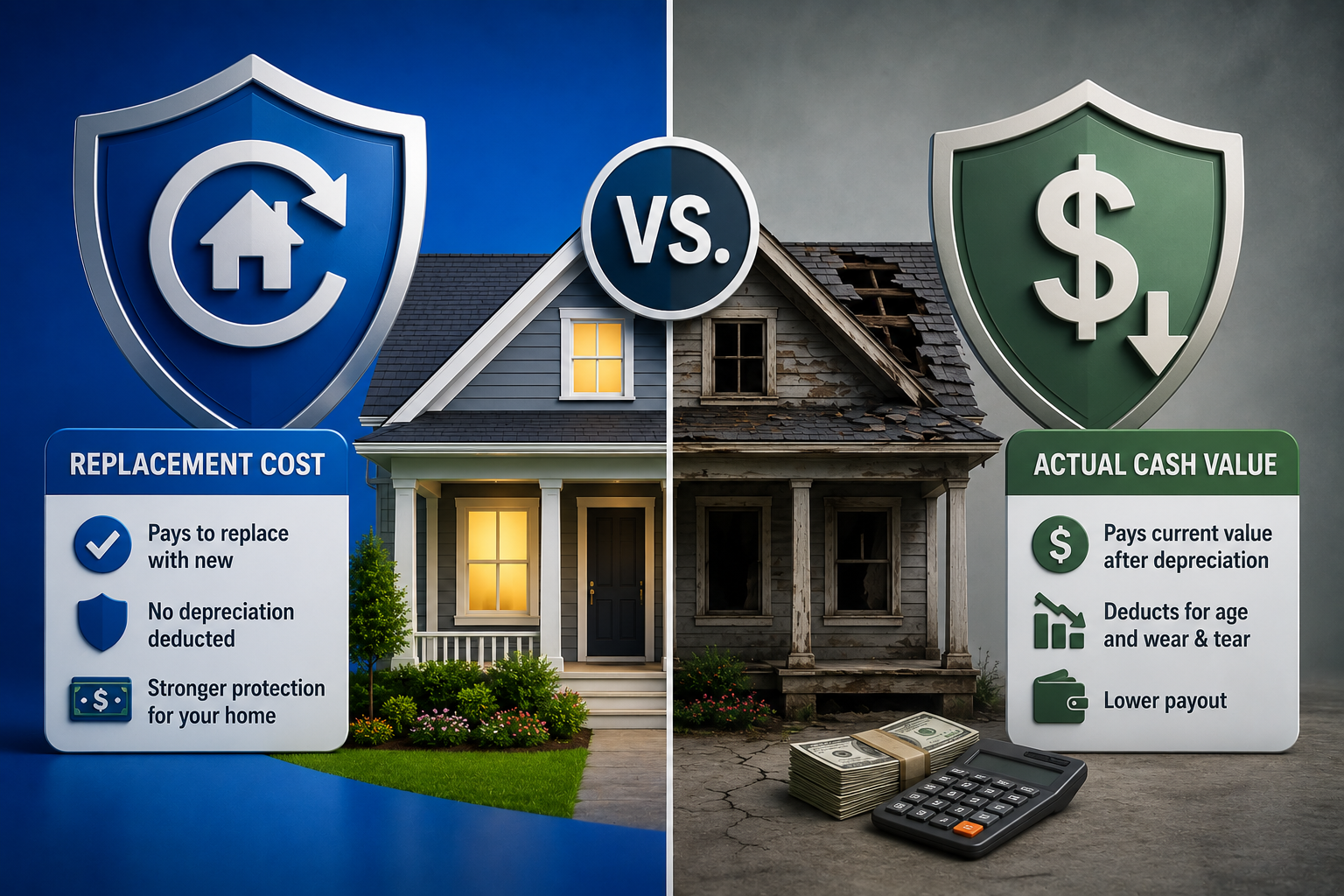
Many homeowners assume their policy is “full coverage” based on the market value of their home. However, insurance should be based on replacement cost, not market value. Use the table below to evaluate your current protection status.
Potential Red Flag
Why It Matters
Recommended Action
Policy based on Market Value
Market prices fluctuate; building costs generally rise.
Switch to “Replacement Cost” coverage.
No “Ordinance or Law” Rider
Rebuilding after a disaster often requires meeting current building codes.
Add “Ordinance or Law” endorsement.
Standard Policy Exclusions
Standard policies often exclude flood and earthquake events.
Purchase separate, specific policies.
Static Dwelling Limit
Costs of labor and materials have spiked since 2020.
Request an annual coverage limit review.
How to Audit Your Coverage
Don’t wait for a disaster to find out where your coverage ends. Use this checklist to perform a mid-year insurance audit.
1. Check Your Dwelling Limit
Does your dwelling coverage match the current local cost to rebuild? Ask your agent for an “extended replacement cost” endorsement, which provides a buffer if building costs exceed your policy limit during a major event.
2. Verify Your Exclusions
Request a simple summary of what your policy does not cover. If floods, earthquakes, or sewer backups are missing, ask for a quote to add them as separate riders.
3. Review Personal Property Limits
Many policies cap coverage for high-value items like jewelry, art, or electronics. Ensure you have specific endorsements for these belongings to avoid disappointment during a claim.
4. Confirm “Loss of Use” Coverage
If your home becomes uninhabitable, will your policy cover the cost of a rental or hotel for long enough to complete a full rebuild? Confirm your time and dollar limits for this essential benefit.
The Path to Resilience
Is Your Home Underinsured?
Answer these 4 questions to assess your risk of being underinsured in today’s market.
While the current insurance landscape is challenging, proactive homeowners can navigate these gaps effectively. Treat your policy as a living document rather than a “set it and forget it” contract. Review your coverage limits annually with your agent to ensure they keep pace with rising construction costs in your specific area.
If you are currently facing financial constraints, research state-specific programs or the National Flood Insurance Program (NFIP), which can often provide more affordable paths to essential coverage. By identifying these hidden gaps today, you can better protect your home against the uncertainties of tomorrow.