In the evolving landscape of automotive technology, the way we pay for car insurance is undergoing a significant shift. For decades, insurance premiums were primarily calculated using static demographic factors like age, gender, and marital status. Today, Usage-Based Insurance (UBI), often powered by telematics, is changing the game by aligning your insurance costs directly with your actual driving habits.
As we move through 2026, more drivers are asking a critical question: Can I actually save money by letting my insurance company track my every move?
What Is Usage-Based Insurance (UBI)?
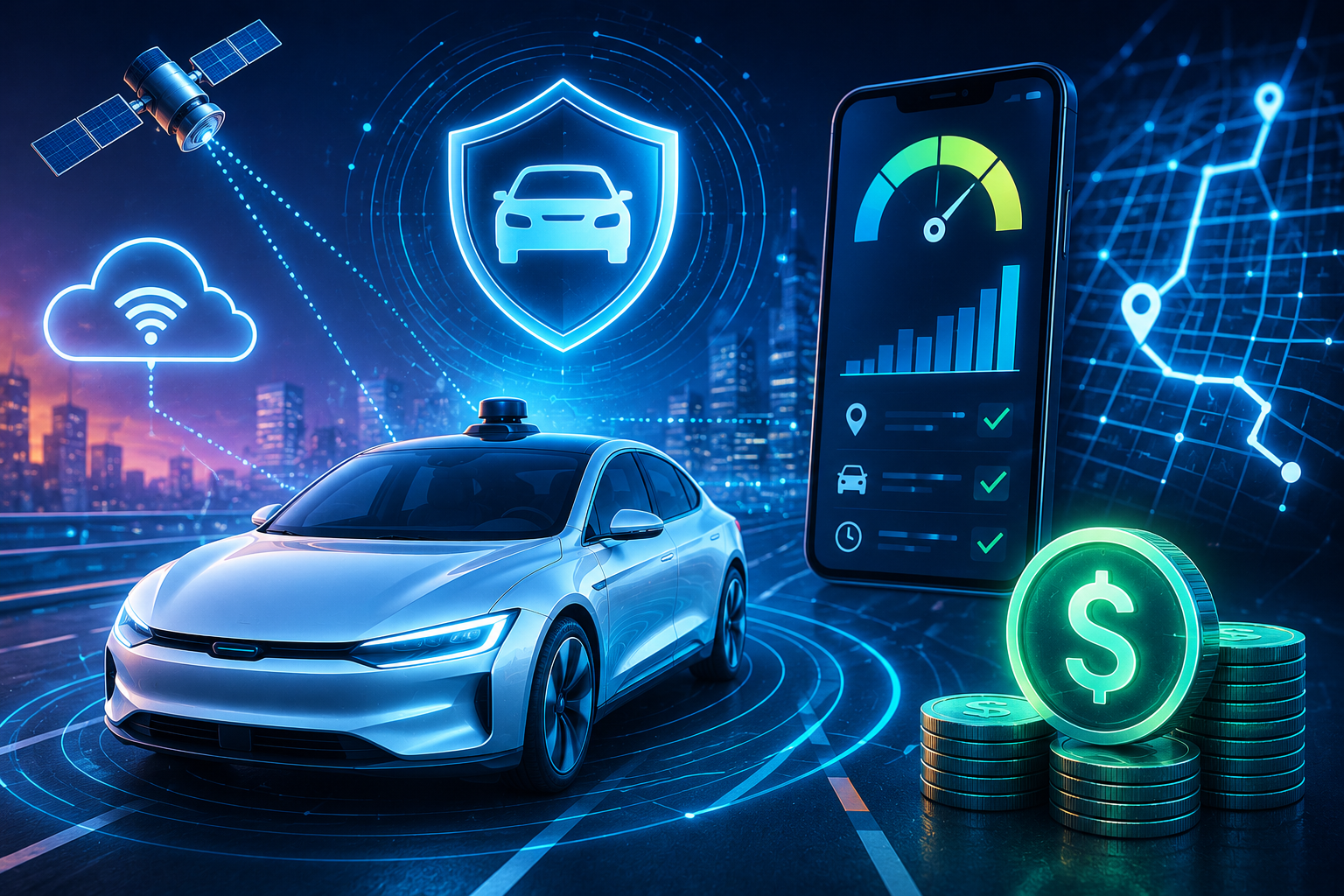
Usage-Based Insurance is a type of auto insurance policy that leverages IoT devices or smartphone applications to monitor your driving behavior in real time. Unlike traditional models that make educated guesses about your risk level based on group statistics, UBI looks at your specific performance on the road.
Calculate Your Potential Savings
Find out how much safe driving can lower your insurance costs.
Estimated Annual Savings
$270
How Telematics Technology Works
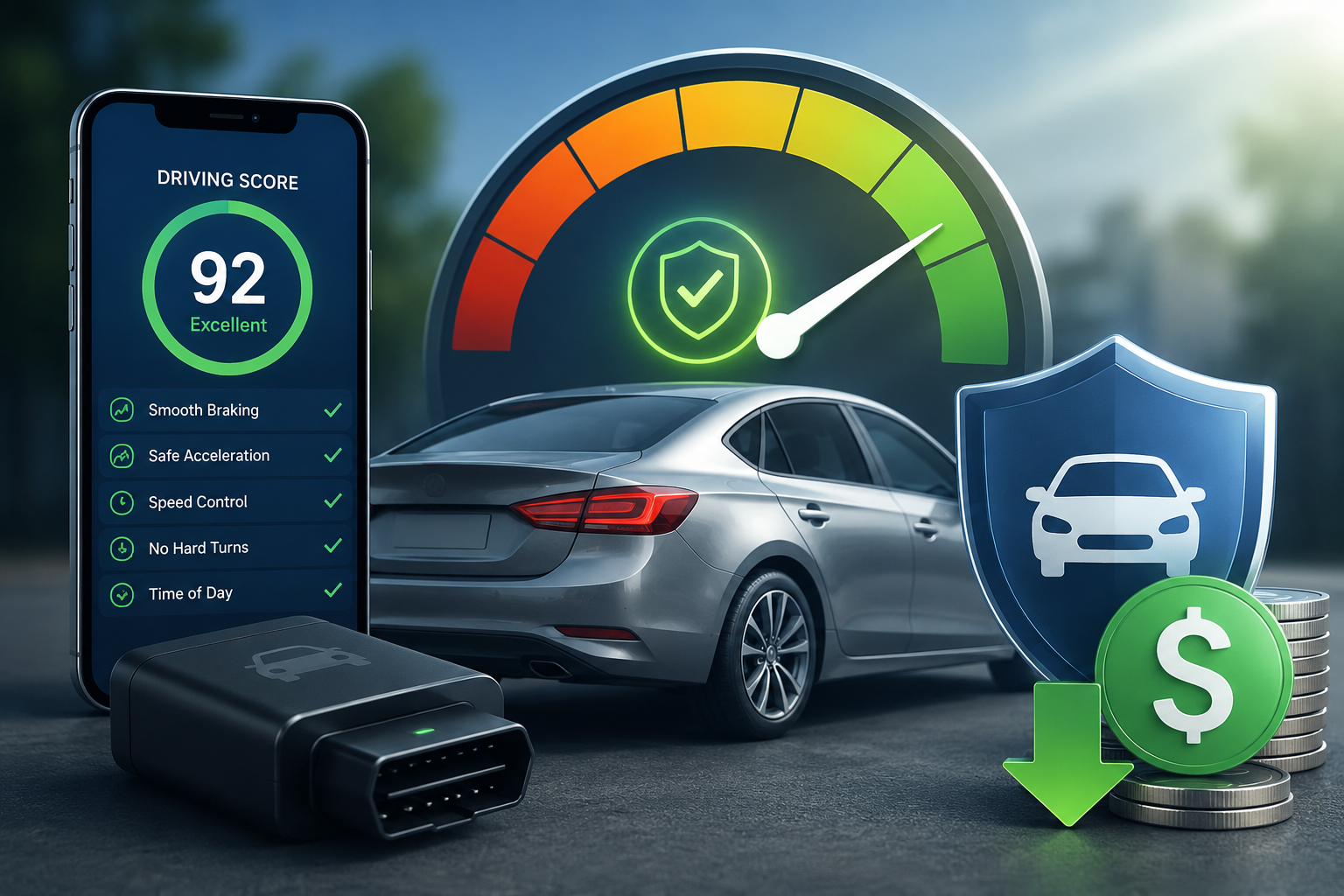
Telematics systems collect “digital exhaust” from your vehicle via an OBD-II port plug-in, a manufacturer-embedded system, or a smartphone app. These systems track key metrics, including:
Hard Braking: Frequency of sudden stops.
Rapid Acceleration: How quickly you speed up.
Cornering Force: How aggressively you handle turns.
Time of Day: Driving during peak accident hours (like late at night).
Mileage: The total distance driven over a set period.
Comparison: Traditional vs. Usage-Based Insurance
Feature
Traditional Insurance
Usage-Based Insurance (UBI)
Pricing Basis
Age, Credit, Zip Code, History
Actual Driving Behavior & Mileage
Data Collection
Static historical data
Real-time sensor data
Feedback
Annual or bi-annual only
Immediate or weekly via app
Driver Control
Low (demographics are fixed)
High (you control your score)
Can Safe Drivers Really Save Money?
The short answer is yes. Research indicates that participants in UBI programs often receive permanent discounts averaging 12% below what they would have been charged under a traditional policy.
The “Safe Driver” Advantage
When your premium is tied to true risk, you are effectively rewarded for minimizing that risk. For a safe driver, the benefits go beyond mere cost savings:
Lower Premiums: By avoiding hard braking and excessive speeding, you earn higher scores that translate to lower monthly invoices.
Behavioral Coaching: Many apps provide immediate feedback, helping you identify and correct poor driving habits before they lead to accidents.
Fairer Pricing: You no longer pay for the high-risk habits of other drivers in your demographic group.
Current Market Trends (2026)
As of 2026, the adoption of telematics is accelerating, with the market continuing to see massive growth. The shift toward “Pay-How-You-Drive” (PHYD) models is becoming the industry standard.
Why Adoption is Growing
Technological Maturity: The falling cost of sensors and better mobile integration have made it easier for insurers to deploy these programs.
Incentivized Safety: Insurers are using gamification and discounts to actively influence driver behavior, which lowers claim costs for them and premiums for you.
Societal Impact: UBI is being recognized for its role in reducing road congestion and vehicle emissions by encouraging more conscious driving habits.
Important Considerations Before Enrolling
While the potential for savings is high, it is essential to weigh the trade-offs:
Privacy Concerns: The granularity of the data collected means your insurer knows where you go and when you go there. While many companies use privacy-preserving technologies like differential privacy to protect users, it is a factor worth considering.
Potential for Rate Increases: Always read the fine print. Some programs are designed only to reward safe driving, while others may penalize you if your driving score falls below a certain threshold.
The “Learning” Period: Most UBI programs require a monitoring period (often six months) to establish your baseline score before you see the full impact on your premium.
Final Thoughts
If you are a cautious driver who doesn’t log excessive miles, UBI is likely one of the most effective ways to lower your car insurance costs. By embracing telematics, you move from a passive policyholder to an active participant in your own financial health and road safety.
Are you ready to trade some of your data for a lower premium? Before switching, check with your current provider to see if they offer a trial period so you can test the program without committing to a permanent change.