Electric vehicles (EVs) have moved from niche products to mainstream transportation. With major automakers investing billions into electrification and governments promoting cleaner transportation, EV adoption continues to grow worldwide.
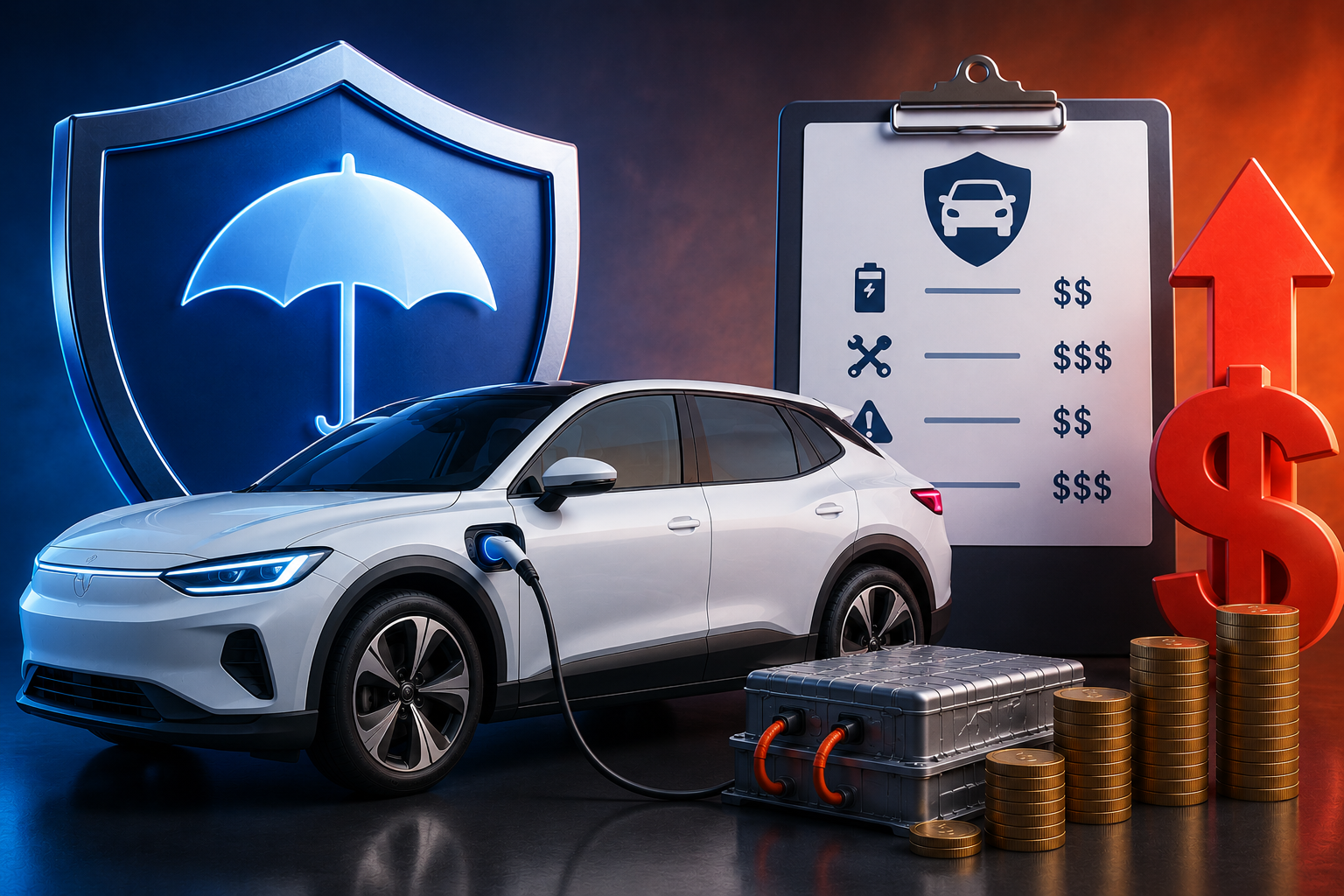
However, many new EV owners encounter an unexpected surprise when requesting insurance quotes: electric vehicle insurance is often significantly more expensive than insurance for comparable gasoline-powered vehicles.
While EVs offer lower fuel costs, reduced maintenance expenses, and environmental benefits, insurance premiums remain one of the largest ownership costs. Understanding why electric vehicles cost more to insure can help drivers make informed purchasing decisions and find ways to reduce their premiums.
In this guide, we will explore the key reasons behind higher EV insurance costs, recent industry developments, real-world examples, cost comparisons, and practical strategies for lowering your insurance bill.
EV Insurance Costs in 2026
Insurance premiums vary depending on location, driving history, vehicle model, age, and coverage level.
Recent industry data suggests EVs typically cost between 15% and 50% more to insure than comparable gasoline vehicles, although the gap has begun narrowing as insurers gain more experience with electric vehicles.
Average Premium Comparison
Vehicle Type
Average Annual Premium
Gas Sedan
$1,680
Hybrid Sedan
$1,820
Electric Sedan
$2,065
Electric SUV
$2,340
Source: Industry insurance comparisons published during 2026.
The difference may not seem dramatic initially, but over a five-year ownership period, EV owners can spend thousands more on insurance alone.
Why Do Electric Vehicles Cost More to Insure?
The answer comes down to one word:
Claim costs.
Insurance companies care less about how often accidents occur and more about how expensive claims become when they do happen.
Electric vehicles often generate larger claims because they are more expensive to repair, require specialized labor, and contain costly components.
1. Battery Packs Are Extremely Expensive
The battery is the most expensive component in an electric vehicle.
Depending on the model, battery replacement costs can range from:
Vehicle Category
Battery Replacement Cost
Entry-Level EV
$4,000 to $8,000
Mid-Range EV
$8,000 to $15,000
Premium EV
$15,000 to $25,000+
Many battery packs represent 30% to 50% of the vehicle’s total value.
Even minor accidents can create uncertainty about battery integrity.
Unlike an engine block, battery damage is not always visible. Insurers must consider:
Internal cell damage
Thermal runaway risks
Electrical faults
Structural damage
Future fire risks
As a result, insurers often approve expensive inspections or replacements that dramatically increase claim costs.
2. Higher Repair Costs
EV repairs typically cost 20% to 30% more than repairs for comparable gasoline vehicles.
Several factors contribute to this:
Specialized Components
Modern EVs contain:
High-voltage systems
Proprietary electronics
Advanced battery cooling systems
Unique structural designs
Many parts can only be sourced directly from manufacturers.
Expensive Materials
Automakers increasingly use:
Aluminum body panels
Carbon composite materials
Specialized sensors
These materials cost more to repair and replace.
Software Calibration
Following a collision, technicians often need to recalibrate:
Cameras
Radar systems
Lane-keeping sensors
Emergency braking systems
These procedures add hundreds or thousands of dollars to repair bills.
3. Limited Repair Networks
One of the largest challenges facing EV insurance is the shortage of qualified repair facilities.
Unlike traditional vehicles, EVs require technicians trained to work safely with high-voltage electrical systems.
Many body shops still lack:
EV certifications
Specialized diagnostic equipment
Battery handling facilities
Manufacturer-approved repair procedures
Limited repair availability creates:
Longer repair times
Higher labor costs
Increased rental car expenses
Insurers ultimately pass these costs to policyholders.
4. Higher Vehicle Values
The average electric vehicle remains more expensive than the average gasoline vehicle.
Example
Vehicle Type
Average New Vehicle Price
Gas Vehicle
$48,799
Electric Vehicle
$57,734
Higher vehicle values increase:
Comprehensive coverage costs
Collision coverage costs
Total loss payouts
When insurers potentially have to replace a more expensive vehicle, premiums naturally rise.
5. EVs Are More Likely to Be Totaled
Insurance companies sometimes declare EVs total losses after accidents that might be repairable on gasoline vehicles.
The primary reason is battery uncertainty.
If battery damage cannot be fully verified, insurers may decide replacement is too costly compared to vehicle value.
This increases overall claim severity across the EV market.
6. Advanced Driver Assistance Systems Increase Repair Bills
Most EVs include sophisticated safety technology such as:
Adaptive cruise control
Automatic emergency braking
Blind-spot monitoring
Lane centering
Parking assistance
These systems improve safety but increase repair complexity.
A minor bumper collision may damage:
Radar sensors
Cameras
Wiring harnesses
Calibration systems
Even low-speed accidents can result in unexpectedly expensive repairs.
Visual Breakdown of EV Insurance Cost Drivers
Cost Driver
Impact on Premium
Battery Replacement Risk
Very High
Specialized Repairs
Very High
Vehicle Value
High
Limited Repair Shops
High
Sensor Technology
Moderate
Rental Car Expenses
Moderate
Claims Data Uncertainty
Moderate
Recent EV Insurance News in 2026
Several developments are shaping the future of EV insurance.
Insurance Premium Gap Is Shrinking
Industry reports indicate the EV insurance premium gap has narrowed during 2026 as insurers gain more real-world claims data and repair infrastructure expands. Some estimates place the gap at approximately 18% today versus over 30% several years ago.
Right-to-Repair Legislation
Proposed legislation in the United States aims to give independent repair shops greater access to vehicle diagnostics and repair information.
Supporters argue that increased repair competition could lower repair costs and ultimately reduce insurance premiums.
Chinese EV Insurance Challenges
Several insurers in Europe have reported difficulty pricing newer Chinese EV brands due to limited repair histories and parts availability.
As a result, some models face significantly higher premiums.
Battery Recalls Remain a Concern
Major recalls involving battery systems continue to influence insurer risk calculations.
In 2026, Volvo recalled more than 40,000 electric SUVs due to battery overheating concerns. Large-scale recalls remind insurers that battery-related risks remain an evolving challenge.
Are EVs Worth It Despite Higher Insurance?
For many drivers, yes.
Insurance is only one component of ownership costs.
EVs often carry higher premiums due to specialized repair costs and parts logistics [1.2.1, 1.2.2]. Estimate your potential annual difference below.
Estimated Annual Cost for EV
$2,400
Annual Difference: $400
How to Lower Your EV Insurance Premium
Shop Around Aggressively
Different insurers evaluate EV risk differently.
Obtaining multiple quotes can save hundreds of dollars annually.
Increase Your Deductible
Higher deductibles usually lower monthly premiums.
Bundle Policies
Combining auto and home insurance often unlocks substantial discounts.
Use Telematics Programs
Safe-driving monitoring programs can reduce premiums for low-risk drivers.
Choose a Lower-Risk EV
Insurance costs vary dramatically by model.
Luxury EVs and high-performance EVs generally cost far more to insure.
Maintain Good Credit
In many regions, insurers use credit-based factors when calculating premiums.
Ask About EV-Specific Discounts
Some insurers now offer:
Green vehicle discounts
Low-mileage discounts
Home charging discounts
Frequently Asked Questions
Why is Tesla insurance often expensive?
Tesla vehicles frequently have higher repair costs, specialized parts, expensive sensors, and limited repair networks, contributing to higher premiums.
Are EVs safer than gas cars?
Many EVs perform exceptionally well in crash testing and include advanced safety technology. However, safety does not automatically translate into lower insurance premiums because repair costs remain high.
Will EV insurance become cheaper?
Industry trends suggest insurance costs are gradually improving as repair networks expand, battery technology matures, and insurers gather more claims data.
Does battery replacement affect insurance costs?
Yes. Battery replacement risk is one of the largest contributors to EV insurance premiums because battery packs can cost thousands or even tens of thousands of dollars.
Final Thoughts
Electric vehicle insurance costs more because electric vehicles cost more to repair, contain expensive battery systems, require specialized technicians, and often generate larger claims than comparable gasoline vehicles.
The good news is that the insurance gap appears to be shrinking as the EV market matures. Expanded repair networks, better battery repair techniques, and improved insurer data are helping reduce uncertainty and lower costs.
While EV insurance remains higher than traditional vehicle insurance in many cases, lower fuel expenses and maintenance savings can still make electric vehicles financially attractive for many drivers.