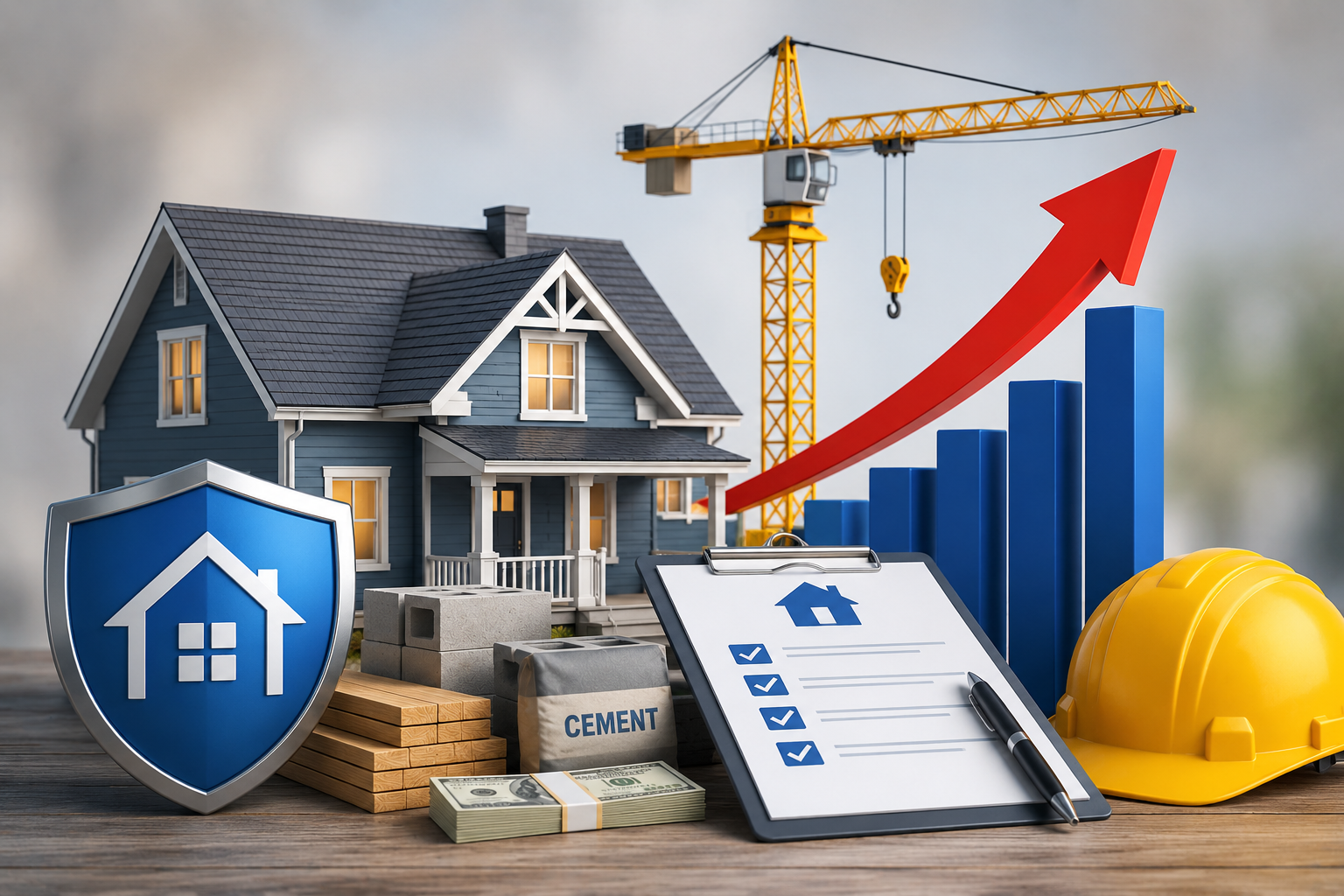
For most homeowners, property insurance is a set-it-and-forget-it expense. You pay the annual premium, keep your mortgage in good standing, and assume your coverage is sufficient. However, the economic landscape of 2026 has introduced a critical challenge for homeowners: the rapid, sustained rise in construction costs.
If your dwelling coverage limit has not been adjusted to reflect current market realities, you may be unintentionally underinsured. When raw material prices and labor rates spike, the cost to rebuild your home increases. If your policy limit remains static, a total loss event could leave you facing a significant financial gap that insurance will not cover.
The Economic Drivers of Rising Rebuild Costs
The cost to rebuild a home is not tied to the local real estate market or your home’s purchase price. It is tied to the price of physical materials and the availability of skilled labor. Several persistent factors continue to drive these costs upward.
1. Supply Chain Volatility
While the most severe disruptions of the early 2020s have stabilized, the supply chain remains sensitive. Fluctuations in the cost of lumber, steel, copper wiring, and specialized insulation products mean that a house costing $300,000 to build in 2023 might cost $400,000 to replicate today.
2. Skilled Labor Shortages
The construction industry faces a chronic shortage of qualified tradespeople, including electricians, plumbers, and carpenters. High demand for a limited labor pool drives up hourly rates. Since labor accounts for a substantial portion of total construction costs, these wage increases directly inflate the cost of property restoration.
3. Regulatory and Building Code Updates
Municipalities are frequently updating building codes to require higher energy efficiency, improved fire resistance, and better storm mitigation. While these upgrades increase the safety and value of your home, they also increase the cost of compliance. Your insurance policy must account for these updated requirements to ensure you can rebuild to current legal standards.
Understanding Coverage Adequacy
To determine if your policy is keeping pace with rising costs, you must understand how insurers calculate your dwelling coverage limit. This limit is the maximum amount your policy will pay to rebuild your house from the foundation up.
The Replacement Cost Value (RCV) Model
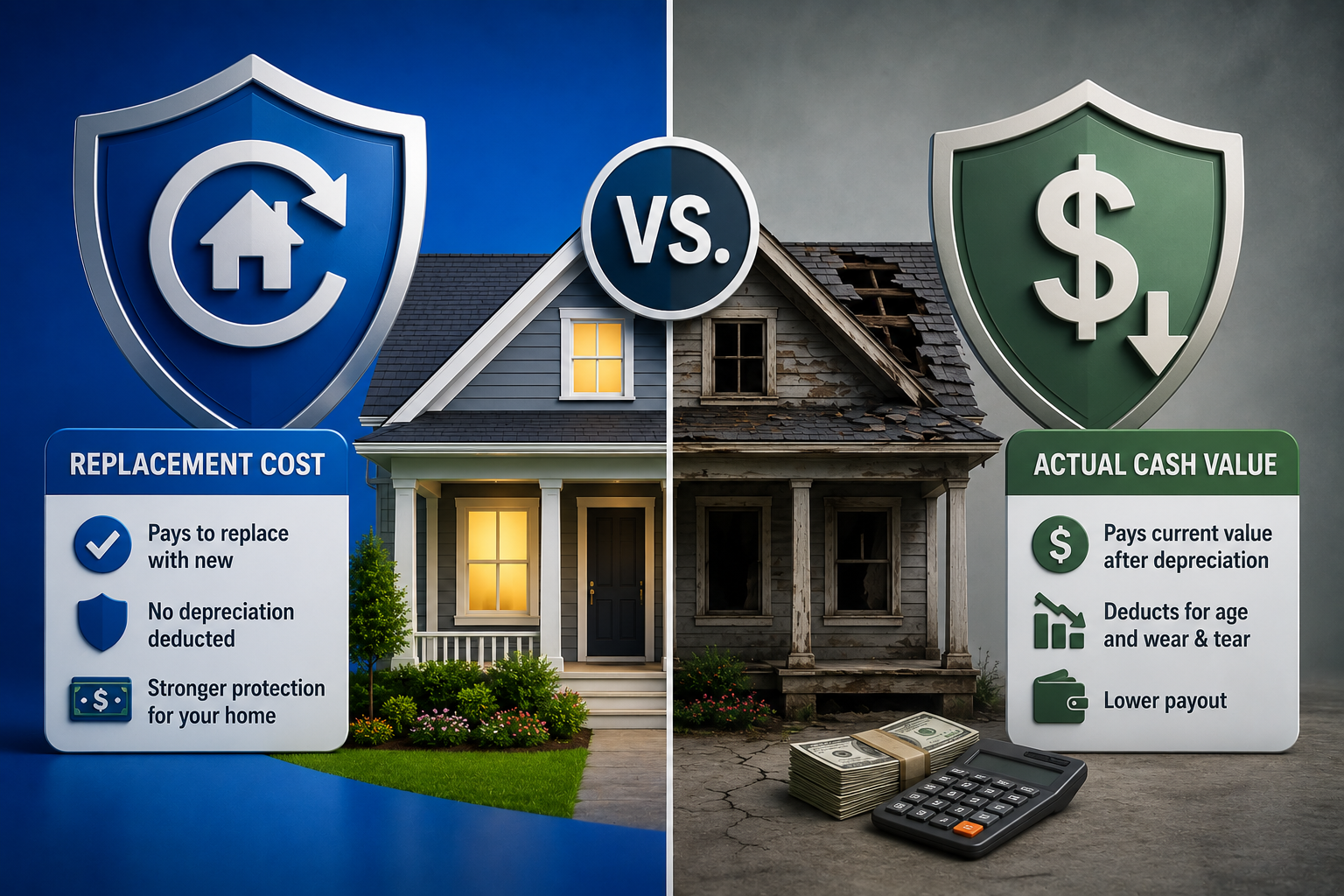
Most homeowners should carry a policy with Replacement Cost Value (RCV) coverage. This is designed to pay for the cost to repair or replace your home with materials of like kind and quality at current market rates.
If your limit is based on an appraisal from five years ago, it is likely insufficient. You need to review your “Coverage A” limit annually to ensure it reflects current local construction labor and material costs.
Inflation Guard Endorsements
Many policies include an Inflation Guard endorsement. This feature automatically adjusts your coverage limits at each renewal to account for inflationary trends. While helpful, it is often a standardized calculation and may not perfectly capture the specific spikes in local construction costs for your unique property type or location.
Factor
Impact on Rebuild Cost
Insurance Consideration
Lumber Prices
Moderate to High
Ensure limits track market commodity prices.
Skilled Labor Rates
High
Adjust for local metro wage inflation.
Building Code Upgrades
Moderate
Add Ordinance or Law coverage.
Supply Chain Lag
Low to Moderate
Ensure Loss of Use limits are sufficient.
The Risks of Underinsurance
When your coverage limit is lower than the actual cost to rebuild, you are underinsured. This situation carries significant financial risks:
Coinsurance Penalties: Many policies include a coinsurance clause that requires you to maintain coverage at a specific percentage (typically 80% to 100%) of the actual replacement cost. If you fail to meet this threshold, your insurer may reduce the amount they pay on a claim, even for a partial loss.
Out-of-Pocket Exposure: If your home is destroyed, the payout is capped at your policy limit. Any costs exceeding that limit, including debris removal, permit fees, and increased material costs, must be paid by you.
Difficulty Securing Repairs: If you are underinsured, you may be unable to attract contractors to complete the work, as the insurance payout will not cover their quote, leaving your project stalled.
How to Protect Your Investment
You can take proactive steps to ensure your coverage keeps pace with rising construction costs without unnecessarily inflating your premiums.
Perform an Annual Review
Do not wait for your renewal notice to check your policy. Contact your agent annually to discuss your Coverage A limit. Ask them to run a current Replacement Cost Estimator (RCE) report, which uses real-time local data to estimate the cost to rebuild your home.
Verify Your Policy Endorsements
Ordinance or Law Coverage: This is vital. It pays for the extra costs to bring your home up to current building codes during the rebuild process.
Extended Replacement Cost: This endorsement provides a buffer above your standard Coverage A limit (often 20% to 50% more), which can be essential if construction costs spike suddenly after a disaster.
Maintain a Detailed Inventory
Keep a digital record of your home’s features, including upgrades, finish quality, and recent renovations. If you have installed hardwood floors, granite countertops, or smart home technology, these details must be reflected in your rebuilding cost model.
Market Trends and Future Outlook
Industry data from groups like the National Association of Insurance Commissioners (NAIC) suggests that insurers are closely monitoring the impact of construction costs on claim payouts. As rebuilding becomes more expensive, carriers are adjusting their base rates to compensate for the higher potential payout per claim.
Consumers should anticipate that these inflationary pressures will continue to influence insurance premiums in the coming years. By managing your coverage limits accurately, you can ensure that you are paying only for the coverage you need while maintaining the protection required to safeguard your financial future.
Conclusion
Rising construction costs represent a permanent shift in the property market. As a homeowner, your responsibility is to ensure that your financial safety net matches the current economic reality. By performing annual reviews, understanding the specifics of your policy, and leveraging inflation-sensitive endorsements, you can navigate these trends and maintain comprehensive protection for your most valuable asset.