Choosing the right dog insurance plan has transitioned from a niche luxury to an absolute financial necessity for pet owners. Driven by rapid advancements in veterinary medicine, escalating economic pressures, and an industry-wide integration of artificial intelligence, navigating the pet healthcare market requires updated, precise data.
Whether you are welcoming a new puppy into your home or seeking better coverage for a senior companion, this comprehensive guide analyzes the best dog insurance plans of 2026. We break down the top providers, evaluate critical market shifts, dissect policy structures, and provide actionable metrics to maximize your return on investment.
2026 Pet Insurance Industry News and Market Trends
The pet insurance landscape in 2026 is radically different from years past. As providers adapt to macroeconomic shifts and technological breakthroughs, several key trends directly impact your monthly premiums and policy choices.
1. Skyrocketing Veterinary Inflation and the “Google Symptom” Shift
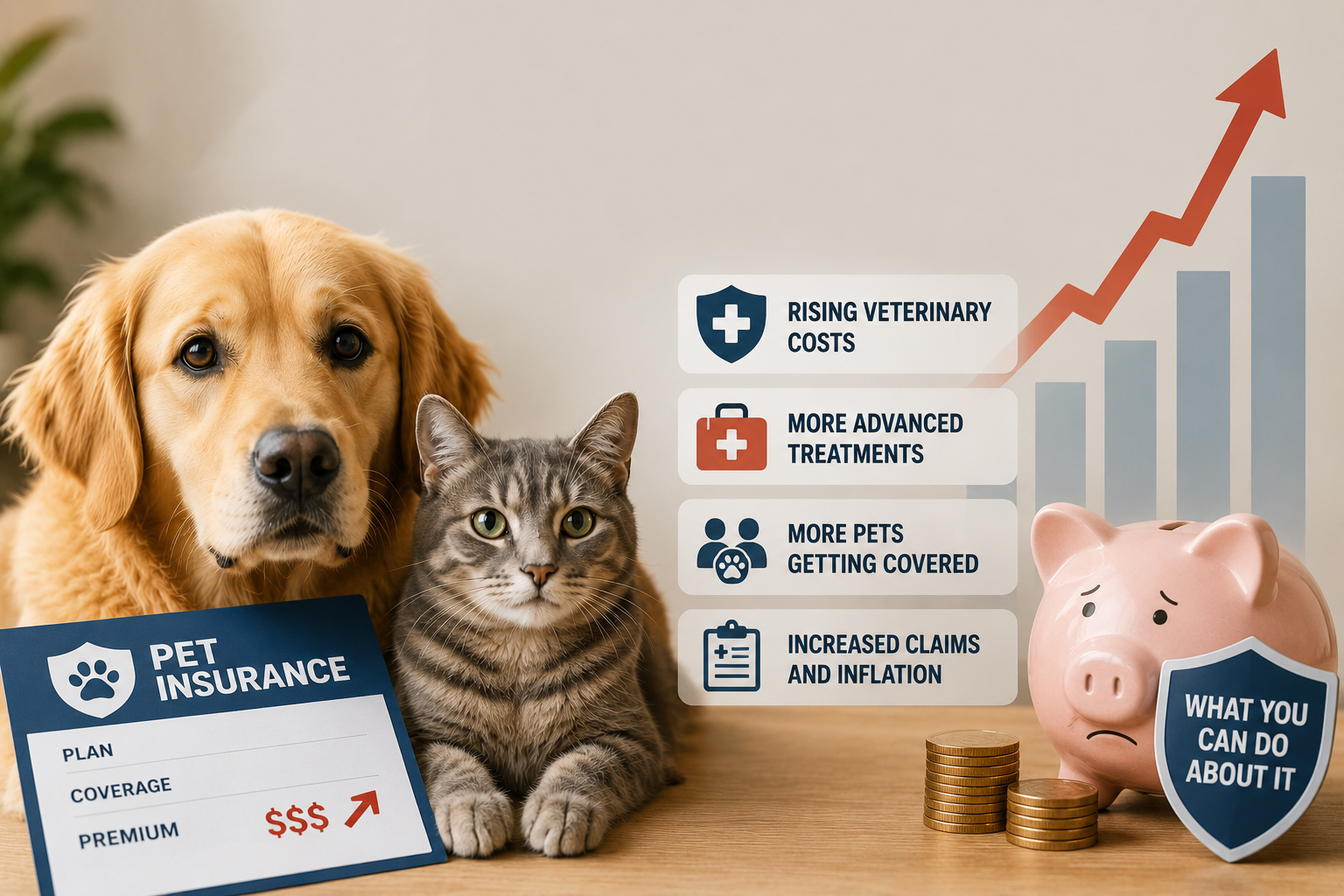
According to recent industry data published by Guidewire Research, skyrocketing specialized veterinary costs have driven a massive behavioral shift among pet parents. Their 2026 report indicates that 31.5% of pet owners now turn to online symptom checkers and digital diagnostic tools before physically visiting a veterinary clinic. This number spikes to 46% among pet owners aged 18 to 24.
Advanced treatments like veterinary oncology, MRIs, and complex orthopedic surgeries have risen in cost, pushing more families to rely on high-limit accident-and-illness policies to avoid economic euthanasia.
2. The Rise of AI and Predictive Health Tools
Insurers are leveraging artificial intelligence to pivot from reactive reimbursement models to proactive health tracking. A prime example is Pumpkin Pet Insurance’s rollout of its proprietary AI Pet Health Predictor. This digital tool analyzes breed data, age, geographic location, and lifestyle markers to help dog owners anticipate future hereditary and chronic health risks.
Simultaneously, AI automation has altered claims processing. Companies like Prudent Pet and Figo utilize advanced algorithms to process standard claims in real time, drastically reducing operational overhead and accelerating payout turnarounds.
3. Accelerated Market Growth
A 2026 market report by Coherent Market Insights values the global pet insurance market at $14.85 billion in 2026, with a projected compound annual growth rate (CAGR) of 15.8% through 2033. This growth is primarily led by the Accident and Illness segment, which commands a dominant 70.1% market share.
Dogs continue to represent the largest animal category, fueled by rising owner awareness of canine cancer liabilities and a cultural shift toward treating companion animals as core family members.
Direct Comparison of the Best Dog Insurance Plans
To find the right coverage, you must weigh structural policy differences against your specific budget. The table below outlines the core metrics, unique value propositions, and consumer satisfaction indexes for the top-performing dog insurance companies in 2026 based on market analysis from Forbes Advisor and Newsweek.
Provider
Core Strength
Consumer Sentiment Score (out of 10)
Key Differentiating Benefit
Max Reimbursement Options
Prudent Pet
Best Overall Coverage
8.0
Includes missing pet advertising, holiday cancellation, and 24/7 vet chat.
70%, 80%, 90%
Pets Best
Best for Direct Vet Billing
6.1
“Vet Direct Pay” sends funds directly to your clinic, minimizing out-of-pocket costs.
70%, 80%, 90%
Lemonade
Best for Bundling & Discounts
7.1
Highly competitive base rates; a portion of unclaimed premiums goes to animal charities.
70%, 80%, 90%
Spot
Best for Holistic & Alternative Care
6.6
Comprehensive coverage for behavioral modification, supplements, and alternative therapies.
70%, 80%, 90%
Healthy Paws
Best Value for Unlimited Capital
6.4
Most affordable monthly rates for unlimited annual payouts with no lifetime caps.
70%, 80%
Figo
Best Digital Ecosystem
6.0
Features the “Pet Cloud” app for digital records management and local community mapping.
70%, 80%, 90%, 100%
Detailed Reviews of the Top 6 Dog Insurance Providers
Every dog has a unique health profile based on breed, age, and pre-existing vulnerabilities. Below is an in-depth breakdown of how each top provider structures its policy framework.
1. Prudent Pet: Best Overall Coverage
Prudent Pet ranks as a top provider due to its comprehensive coverage rules and stellar customer service infrastructure. Its “Ultimate Plan” is tailored for owners seeking ironclad financial insulation.
Pros: Coverage extends to non-medical financial losses, such as vacation cancellation fees if your dog requires emergency surgery. It also covers missing pet advertising rewards and behavioral treatments.
Cons: Premiums can skew higher for purebred dogs prone to genetic conditions.
Ideal For: Owners looking for all-inclusive risk management that covers both clinic bills and peripheral emergencies.
2. Pets Best: Best for Direct Vet Billing
The traditional insurance model requires you to pay thousands of dollars at the clinic checkout counter and wait weeks for reimbursement. Pets Best solves this cash-flow problem with its direct-pay architecture.
Pros: “Vet Direct Pay” can explicitly send the approved reimbursement amount directly to any veterinary hospital willing to participate, eliminating major credit card charges for the owner.
Cons: Customer service wait times during peak claims periods have historically scored lower on the consumer sentiment index.
Ideal For: Multi-pet households or budget-conscious owners who cannot afford to float high upfront medical bills on short notice.
3. Lemonade: Best for Bundling and Discounts
Powered by an agile, app-centric model, Lemonade uses AI to issue quick quotes and instant claims processing, passing the structural savings down to the consumer through competitive pricing.
Pros: Deep discount structures. Pet owners save significantly by stacking multi-pet discounts, bundling with Lemonade renters/homeowners policies, or opting into their specialized preventative care add-ons.
Cons: Strict upper age limits for new enrollments; senior dogs may be denied new accident-and-illness coverage.
Ideal For: Tech-savvy owners who already hold a Lemonade property insurance policy and want a highly customizable, budget-friendly tier.
4. Spot: Best for Holistic & Alternative Care
Backed by consumer advocates, Spot recognizes that modern canine recovery involves therapies outside standard pharmacology and surgery.
Pros: Base plans natively encompass alternative treatments like acupuncture, hydrotherapy, chiropractic adjustment, and veterinary-prescribed dietary supplements. It also features extensive coverage for behavioral modifications.
Cons: No option for 100% reimbursement; policy caps max out at 90%.
Ideal For: Active, high-performance working dogs or breeds prone to chronic anxiety and musculoskeletal strains requiring ongoing physical therapy.
5. Healthy Paws: Best Value for Unlimited Annual Coverage
If your core concern is a catastrophic medical event—such as a prolonged cancer battle or severe multi-limb trauma—Healthy Paws offers the most cost-efficient mechanism to secure uncapped financial protection.
Pros: Pure, unadulterated unlimited coverage. There are no caps per incident, no annual caps, and no lifetime maximums. Their mixed-breed premium pricing for unlimited tiers remains highly competitive.
Cons: Does not cover veterinary examination fees within its base plan, meaning you will always pay the baseline clinic entry cost out of pocket.
Ideal For: Owners of large or giant breeds (e.g., Great Danes, Mastiffs) that face high statistical risks for expensive health conditions like hip dysplasia or gastric torsion.
6. Figo: Best Digital Ecosystem
Figo blends standard financial protection with a cloud-based lifestyle framework designed for modern, highly mobile pet parents.
Pros: Access to the “Pet Cloud,” an interactive app that stores real-time medical histories, issues automated vaccine reminders, matches you with local pet-friendly spaces, and links you to a 24/7 live veterinary concierge. They also offer a rare 100% reimbursement tier.
Cons: Powering up your policy with add-on modules (like third-party liability or lost pet rewards) quickly increases base monthly rates.
Ideal For: Owners who travel frequently with their dogs and want immediate, digital access to health records and remote veterinary guidance anywhere in the country.
Understanding the Anatomy of a Dog Insurance Policy
1. Annual Deductibles vs. Per-Incident Deductibles
Annual Deductible: You pay this fixed amount once per policy year. Once met, your insurance kicks in for all subsequent claims regardless of the diagnosis. This is universally preferred for long-term budget stability.
Per-Incident Deductible: You must pay a separate deductible for every new illness or injury your dog encounters. If your dog suffers from an ear infection, an allergic reaction, and a torn ligament in the same year, you pay the deductible three times.
2. Reimbursement Percentages
This represents the portion of the medical bill the insurer covers after your deductible is met. Most providers offer choices of 70%, 80%, or 90%. Opting for a 70% reimbursement rate lowers your monthly premium but increases your financial responsibility at the clinic checkout.
3. Annual Policy Caps
This is the absolute maximum amount an insurance company will pay out during a 12-month cycle. Options generally span from a conservative $2,500 cap up to completely Unlimited tiers.
Expert Insight: Given that comprehensive canine cancer therapies or complex spinal operations routinely exceed $10,000, choosing a plan with at least a $10,000 annual limit is recommended to mitigate severe financial risk.
The Reality of Pre-Existing Conditions in 2026
The single biggest source of consumer friction in the pet insurance industry is the definition and handling of pre-existing conditions.
Defining a Pre-Existing Condition
A pre-existing condition is any injury, illness, or medical symptom that manifest, was diagnosed, or was actively investigated by a veterinarian before your policy’s official start date or during its mandatory initial waiting period. No major pet insurance provider covers incurable pre-existing conditions (such as canine diabetes, advanced osteoarthritis, or chronic kidney disease).
Curable vs. Incurable Conditions
Fortunately, the 2026 market shows expanded flexibility regarding curable conditions. Many leading carriers now differentiate between permanent ailments and temporary illnesses.
If your dog suffered from a localized ear infection or respiratory issue two years ago, and medical records prove the condition completely resolved with zero subsequent symptoms or treatments for a set timeframe (typically 12 to 18 months), companies like the AKC Pet Insurance program or AA Pet Insurance may reinstate full coverage for that specific condition.
Bilateral Exclusion Clauses
Always read the fine print for bilateral exclusions. A bilateral condition is a medical issue that can happen on both sides of a dog’s body. The classic example is a cranial cruciate ligament (CCL) tear—the canine equivalent of an ACL tear. Under a bilateral exclusion clause, if your dog tore its left CCL before your insurance policy was active, any future tear to the right CCL will be automatically classified as a pre-existing condition and denied coverage. This is because statistics show a dog that injures one knee has a significantly higher probability of injuring the other.
Step-by-Step Guide: How to Select the Optimal Plan for Your Dog
To prevent choice paralysis, use this structured framework to select an insurance policy tailored to your financial boundaries and your dog’s physiological profile.
Research your dog’s specific breed morphology. Purebreds like French Bulldogs are highly susceptible to Brachycephalic Airway Obstructive Syndrome (BAOS), while Golden Retrievers face a higher statistical incidence of lymphoma. Ensure your chosen policy does not contain restrictive sub-limits or outright exclusions for these specific breed-related conditions.
2.Determine Your Cash Flow Threshold:Step 2: Budget Structuring.
Evaluate your liquid savings. If you lack the cash reserves to cover a sudden $5,000 veterinary surgery upfront, prioritize providers that offer direct-to-vet billing architectures (like Pets Best). If you have ample savings but want insulation against a catastrophic $20,000 health crisis, opt for a high-deductible, unlimited-payout plan to keep your monthly premiums low.
3.Request and Audit Certified Veterinary Records:Step 3: Medical Baseline.
Before purchasing a policy, request a complete, clean copy of your dog’s medical history from every vet clinic you have ever visited. Scan these notes for any recorded symptoms, as insurers will use these exact files during the underwriting process to establish what constitutes a pre-existing condition.
Utilize digital quote engines to adjust your deductible and reimbursement levels. For optimal value, look for the “sweet spot”: increasing your annual deductible from $250 to $500 often slashes your monthly premium by up to 30%, while still offering robust protection against major medical liabilities.
Frequently Asked Questions (FAQ)
Is dog insurance actually worth it in 2026?
Yes. With advanced treatments matching human medical standards, sophisticated veterinary procedures are more expensive than ever. If you do not have thousands of dollars in a dedicated emergency fund, a policy transforms an impossible emotional choice into a manageable, structured monthly expense.
At what age should I buy a dog insurance plan?
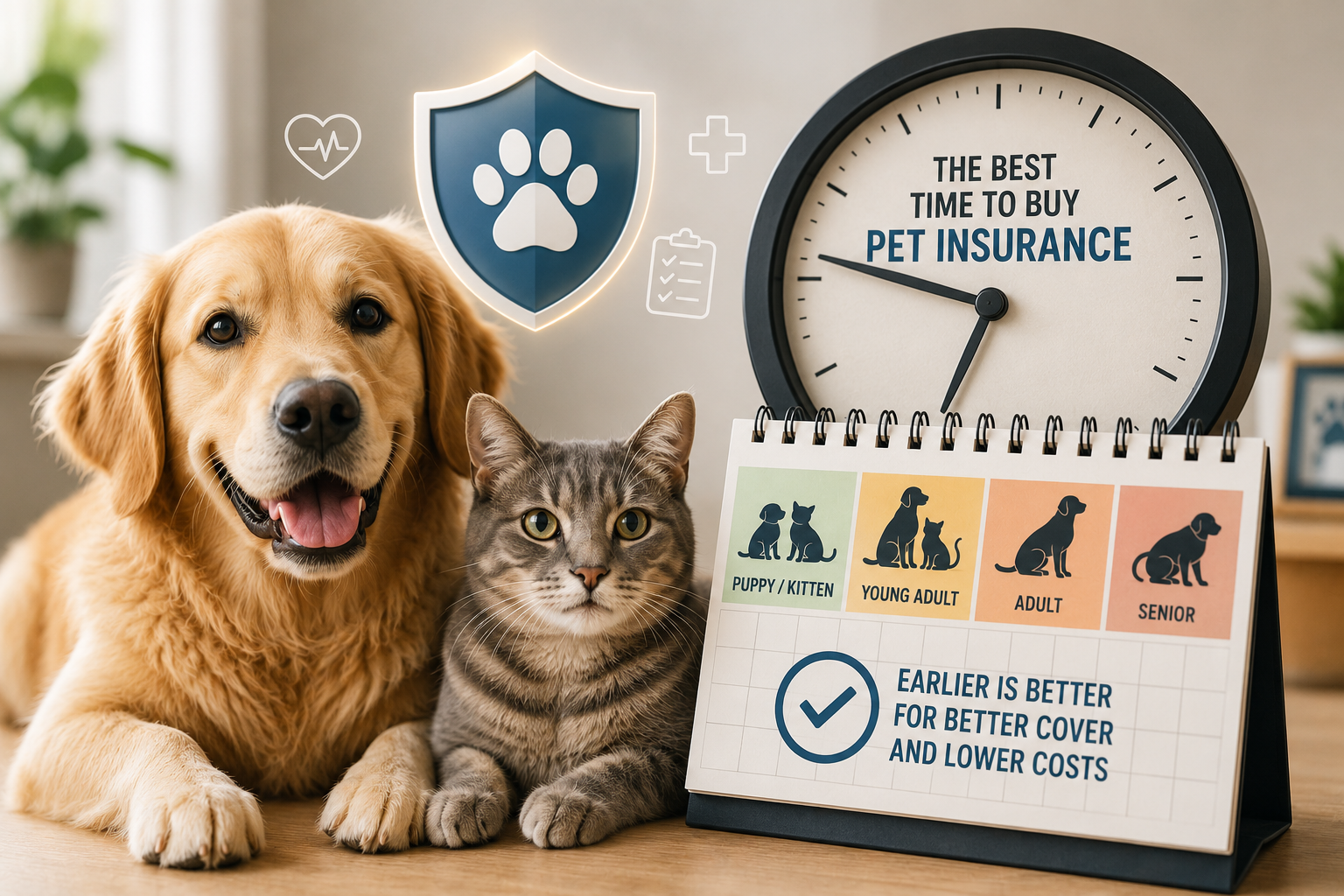
The absolute best time to insure your dog is when they are a young puppy. Enrolling them early ensures they have a completely clean medical record, allowing you to lock in comprehensive accident-and-illness coverage before any chronic conditions or symptoms develop.
What is a waiting period, and how long does it last?
A waiting period is a mandatory safety window between the day you buy your policy and the day your coverage officially becomes active. This prevents owners from purchasing a policy only after their dog gets sick. Typically, accident coverage activates within 1 to 3 days, while illness coverage requires a 14-to-30-day waiting window. Specialized orthopedic conditions (like CCL tears) often carry a 6-to-12-month waiting period unless waived via an independent veterinary exam.
Does dog insurance cover routine wellness exams, vaccines, or spaying/neutering?
Standard accident-and-illness policies do not cover routine or preventative care. However, most modern providers offer optional wellness riders or “routine care powerups” that you can add to your base plan for an additional monthly fee. These add-ons provide flat-rate cash distributions to offset the costs of annual check-ups, flea/tick prevention, and mandatory vaccinations.
Final Verdict: Which Plan Wins in 2026?
There is no singular “perfect” dog insurance company, but matching your coverage choice to clear financial goals yields the best results:
For comprehensive, hands-off security, Prudent Pet delivers the highest overall value and consumer satisfaction metrics.
If you want to eliminate upfront out-of-pocket costs at the clinic, look directly at Pets Best.
If you own a large breed prone to systemic genetic issues, locking in an unlimited plan with Healthy Paws represents the strongest defense against long-term veterinary inflation.