The decision to bring a companion animal into your home brings immense joy, but it also introduces significant long-term financial liabilities. In contemporary veterinary medicine, diagnostic capabilities have expanded to include advanced oncology treatments, magnetic resonance imaging, and complex orthopedic interventions. While these advancements offer unprecedented opportunities to save companion animal lives, they carry substantial financial costs.
As a result, more pet parents are viewing healthcare coverage not as an optional luxury, but as a core pillar of responsible animal care. Statistical tracking from the North American Pet Health Insurance Association (NAPHIA) indicates a steady year-over-year increase in active policies, a trend mirrored across European and Asian markets as veterinary service fees rise globally.
However, the financial utility of a policy does not depend entirely on the tier of coverage you choose. Instead, it relies heavily on the timing of your enrollment. Buying a policy too late can render it functionally useless due to structural exclusion clauses, while buying it during optimal developmental windows maximizes your long-term return on investment.
This comprehensive analysis examines the absolute best milestones to secure pet insurance for your dog or cat, backed by actuarial data, clinical insights, and recent industry shifts.
Actuarial Risk Assessment
Pet Insurance Timing & Eligibility Matrix
Input your companion animal profiles to compute coverage vulnerabilities, developmental waiting periods, and contract structures before booking clinical procedures.
Strategic Blueprint: Lock in comprehensive accident and illness coverage immediately to clear administrative filters and maximize savings.
1. The Core Underwriting Philosophy: Why Timing Matters
To understand why timing dictates the structural efficacy of pet insurance, you must understand the underlying property-casualty insurance framework that governs the industry. Unlike human health insurance infrastructure in many developed countries, which features regulatory frameworks protecting consumers with pre-existing conditions, companion animal insurance operates on risk mitigation principles.
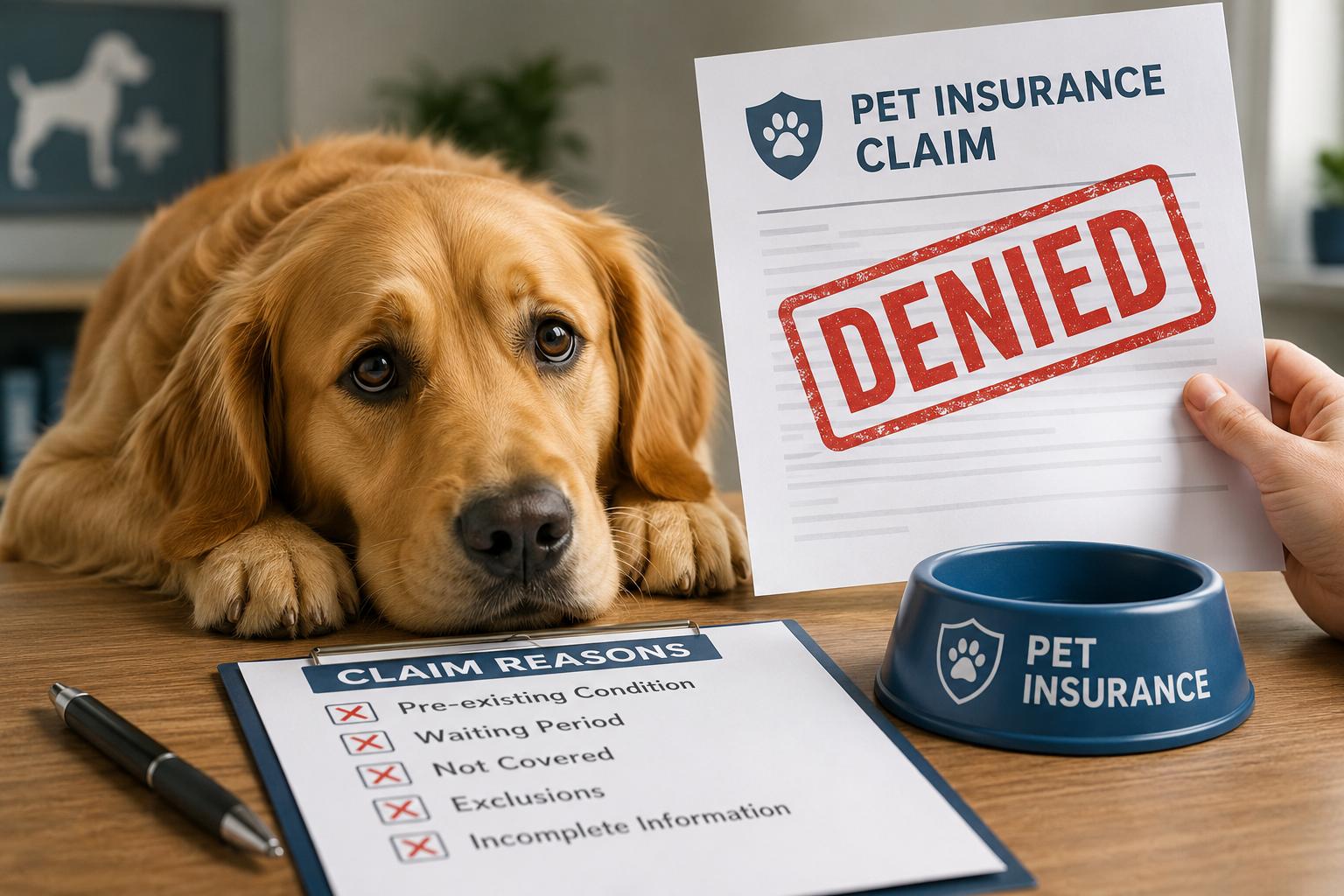
In simple terms, insurance underwriters evaluate the known health metrics of an animal at the precise moment of application. If an animal has already exhibited symptoms, undergone diagnostic screens, or received a definitive diagnosis for a disease, that condition is permanently labeled as a pre-existing condition.
Because companies exclude historical medical issues to maintain their loss-ratio boundaries, the value of a policy drops significantly once an animal experiences an initial health crisis. Therefore, the absolute best time to secure coverage is before your animal requires its first major diagnostic medical examination.
2. The Golden Window: The Puppy and Kitten Stage
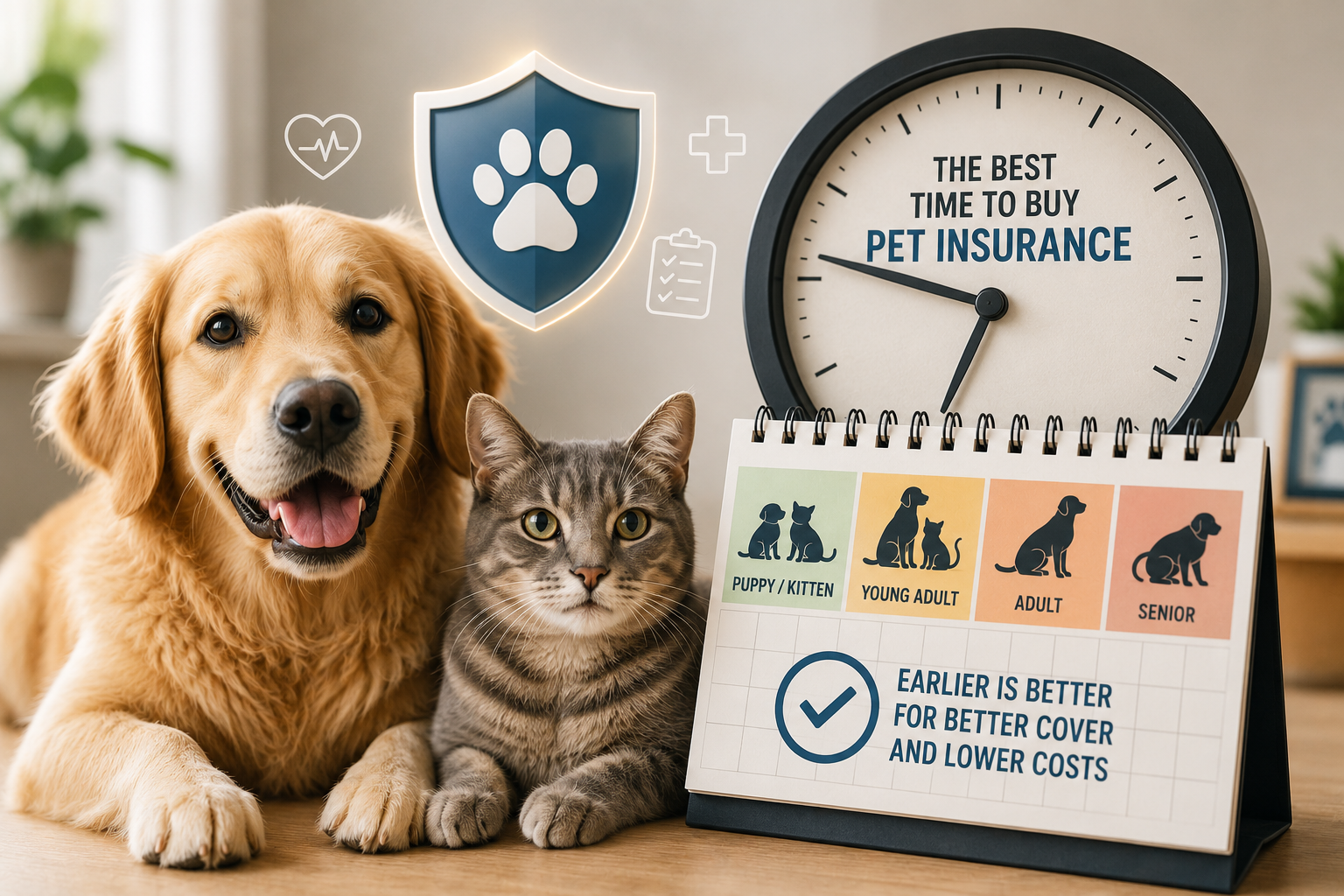
From an actuarial and medical standpoint, the single most advantageous moment to enroll a dog or cat in an insurance program is between 8 and 16 weeks of age, immediately following adoption.
The Clean Slate Advantage
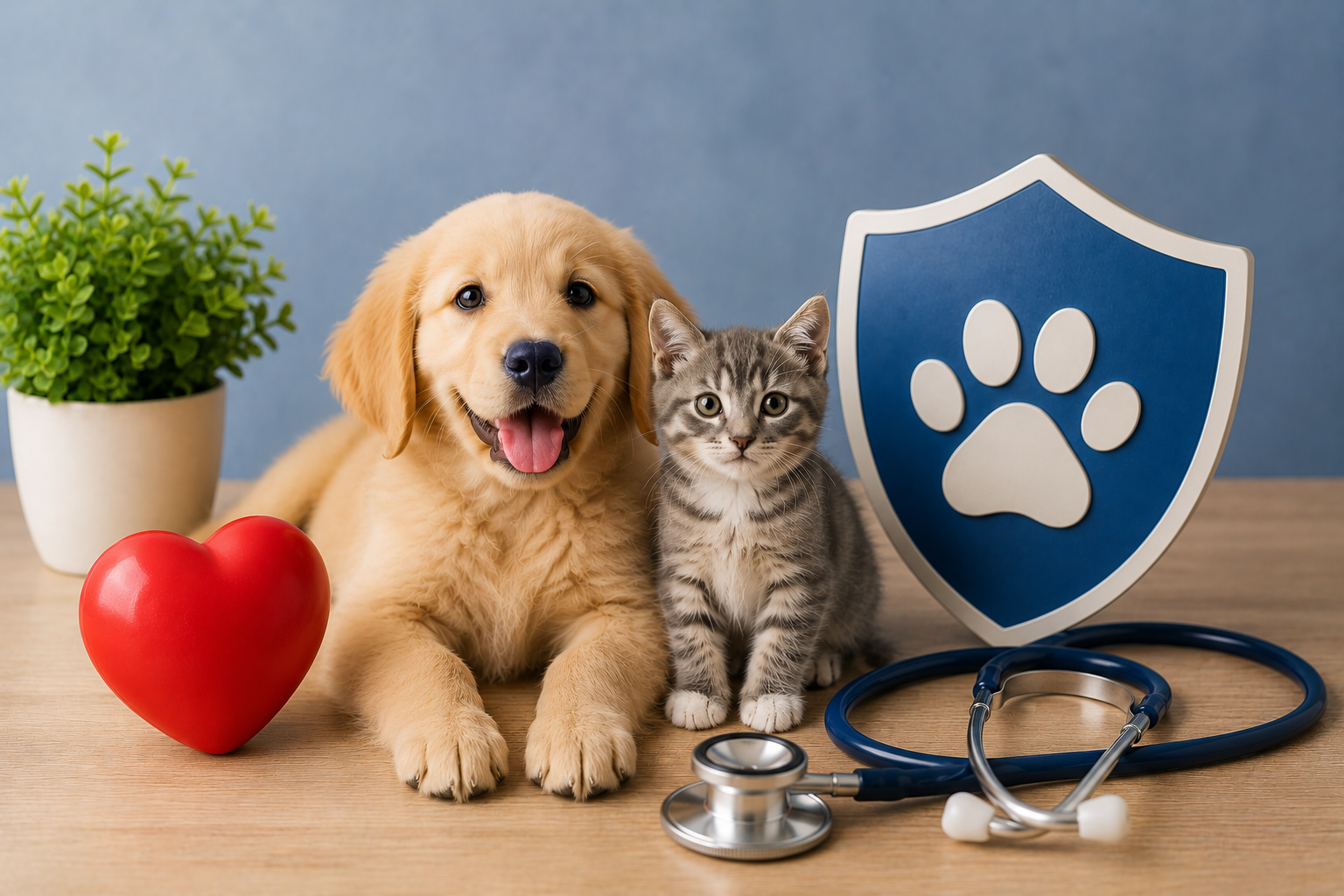
Juvenile companion animals rarely possess a complex medical history. By enrolling a puppy or kitten during this initial developmental window, you establish a completely clean medical baseline. This guarantees that any hereditary conditions, congenital defects, or chronic illnesses that manifest later in life will be fully covered by the provider, subject to standard policy conditions.
Mitigating Juvenile Vulnerabilities
Young animals lack fully matured immune systems and possess underdeveloped risk-assessment behaviors. This makes them highly susceptible to acute medical emergencies, such as:
Foreign Body Ingestion: Puppies and kittens frequently swallow household objects, toys, or toxic plants, often requiring immediate, expensive emergency abdominal surgeries.
Infectious Diseases: Despite early vaccination protocols, young animals remain vulnerable to severe viral pathogens like canine parvovirus or feline panleukopenia, which demand intensive, multi-day isolation hospitalization.
Accidental Trauma: High-energy play often leads to soft-tissue strains, juvenile bone fractures, or developmental joint subluxations.
Securing a policy during the first few months of life ensures that these early, expensive medical events are covered, protecting your household from unexpected out-of-pocket costs right from the start.
3. The Structural Impact of Administrative Waiting Periods
A common mistake among pet owners is waiting to buy insurance until right before an expected medical event, or immediately after an animal shows initial signs of illness. This strategy fails because all modern policies enforce mandatory waiting periods.
A waiting period is a contractually specified window of time immediately following policy activation during which no coverage is available for new medical conditions.
Cranial cruciate ligament tears, hip dysplasia, patellar luxation
If you notice your dog favoring its hind leg and purchase a policy that evening, a veterinary evaluation the following week will fall squarely within the 14-day illness or 6-month orthopedic waiting period. The provider will deny that claim and permanently exclude that limb from future orthopedic coverage, classification it as a pre-existing condition.
By enrolling your companion animal when it is perfectly healthy, you clear these administrative waiting periods safely before any real medical crisis occurs.
4. Evaluating Coverage Dynamics Across Life Stages
While the juvenile phase is the gold standard for enrollment, pet parents frequently acquire animals during later life stages. Understanding how age influences policy value, underwriting constraints, and premium structures is essential for making an informed choice.
The Adult Horizon (Ages 1 to 7 Years)
Enrolling an adult dog or cat remains a highly viable and financially defensive strategy. While adult animals may have a few minor issues noted in their veterinary charts, such as a transient ear infection or a mild bout of dietary indiscretion, they are unlikely to have developed systemic chronic illnesses like diabetes, renal insufficiency, or severe osteoarthritis.
When insuring an adult animal, you must prepare for a complete historical medical records audit. The insurance provider will review the past several years of clinic notes to identify pre-existing conditions. Any underlying issues found will be excluded, but the remaining biological systems will be fully covered against future illnesses or unexpected trauma.
The Senior Milestone (Ages 8+ Years)
Insuring a senior companion animal presents distinct challenges, but it can still provide valuable financial protection if managed correctly. As animals cross into their senior years, monthly premium rates increase significantly because statistical risk models show a sharp rise in major health issues, such as oncology interventions and organ system failure.
Key Considerations for Senior Enrollments
Age Ceilings: Some traditional insurance providers enforce strict age limits, refusing to write new accident-and-illness policies for dogs entering the double-digit age bracket.
Accident-Only Alternative Policies: If your senior pet is excluded from standard illness coverage due to extensive pre-existing conditions, consider an accident-only policy. These plans carry lower premiums and protect against emergencies like car accidents, animal bites, or poisoning, regardless of the pet’s age or medical history.
Mandatory Senior Health Screens: Certain underwriters require a comprehensive blood panel and physical exam within 30 days of enrolling an older pet to establish a baseline of covered conditions.
5. Breed-Specific Considerations and Actuarial Risks
The optimal time to buy pet insurance is also heavily influenced by your companion animal’s specific breed. Due to directed genetic selection over generations, certain purebred dogs and cats carry elevated risks for specific hereditary and congenital conditions.
Canine Genetic Predispositions
Large and giant breed dogs—such as German Shepherds, Golden Retrievers, Labrador Retrievers, and Great Danes—possess high baseline risks for structural orthopedic issues, including hip dysplasia and cranial cruciate ligament failure.
Similarly, brachycephalic (flat-faced) breeds like French Bulldogs, English Bulldogs, and Pugs frequently require corrective surgeries for Brachycephalic Obstructive Airway Syndrome (BOAS).
Because these conditions are deeply tied to genetics, underwriters look closely at early veterinary charts for any signs of early joint laxity or respiratory issues. To ensure these high-cost conditions are covered, it is vital to secure a policy before the animal reaches skeletal maturity, typically between 12 and 24 months of age.
Feline Genetic Predispositions
Cat owners face similar breed-specific risks. Purebred cats like Maine Coons, Ragdolls, and Persians have known genetic predispositions to Hypertrophic Cardiomyopathy (HCM)—a serious condition affecting the heart muscle—as well as Polycystic Kidney Disease (PKD). Enrolling these specific breeds as kittens ensures that early cardiac screening, regular diagnostic ultrasounds, and ongoing metabolic therapies are covered before any structural changes appear on an echocardiogram.
6. Real-World Market Shifts: Current Insurance News
The pet insurance industry is evolving rapidly, driven by shifting consumer demographics and changing economic conditions. According to recent market analysis from the Dog Aging Project Consortium, modern pet owners are adopting insurance at higher rates than previous generations, with adoption heavily concentrated among tech-savvy millennials and Gen Z consumers. This demographic shift has led providers to introduce digital-first platforms, transparent claims processing, and mobile-friendly tracking tools.
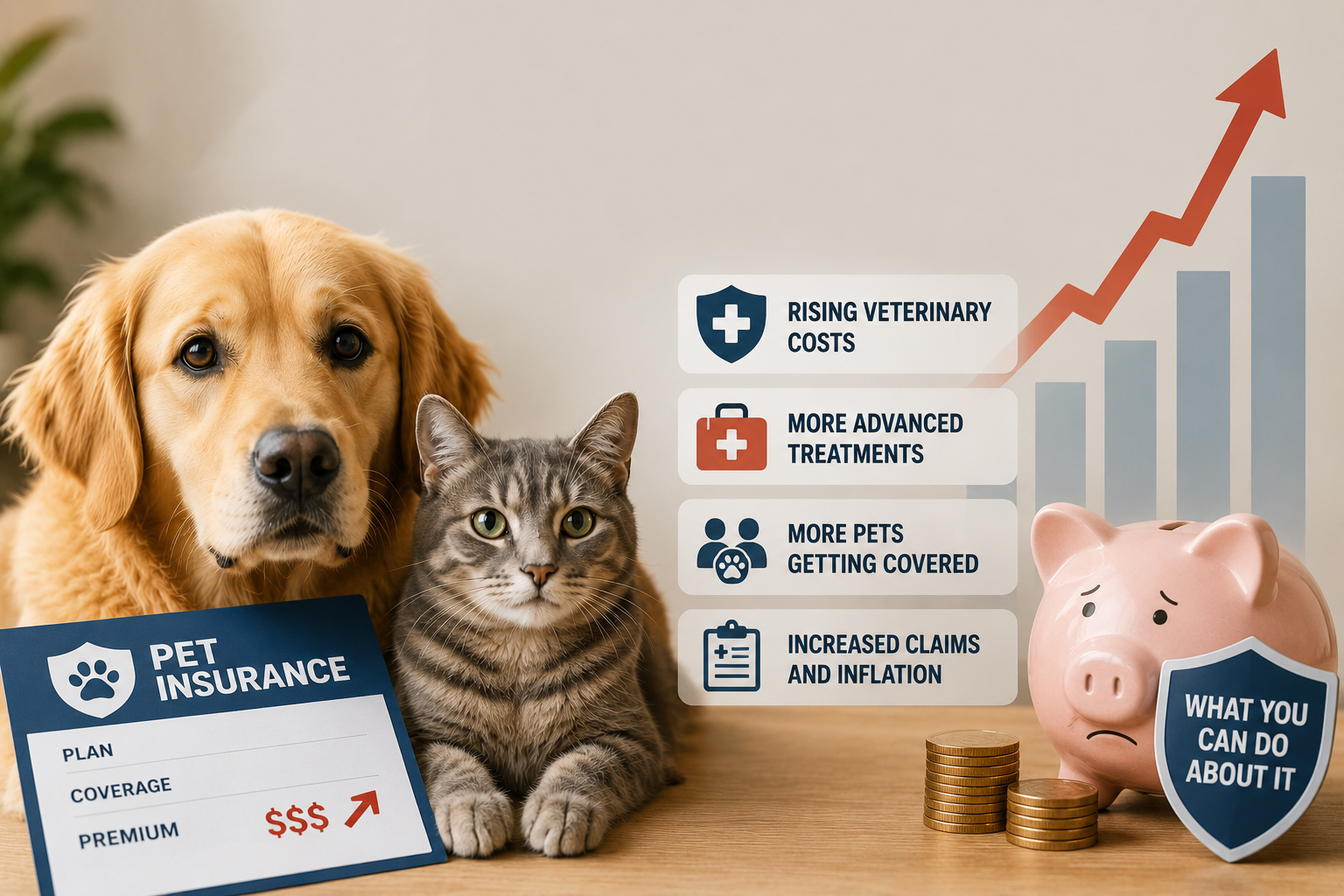
Concurrently, macroeconomic inflation continues to impact veterinary care costs. Modern clinics utilize highly advanced, human-grade medical equipment, which increases overhead expenses and drives up the cost of specialized treatments.
Recent industry reports from leading pet health networks highlight that the average invoice for an emergency veterinary visit involving foreign body removal or acute toxin exposure now regularly exceeds several thousand dollars.
In response to these rising costs, progressive insurance providers are changing how they handle pre-existing conditions. As noted by Petsy Insurance Insights, forward-thinking companies are moving away from traditional rigid underwriting models. Instead, they are introducing automated, upfront medical history evaluations within the first 30 days of a policy.
This gives pet parents a clear, line-item list of exactly what is covered or excluded early on, eliminating the stress of unexpected claim denials during a future medical emergency.
7. Financial Strategies: Balancing Premiums Against Lifetime Risks
To maximize the value of your pet insurance policy, you must look beyond simply finding the lowest monthly premium. A smart financial approach balances your monthly payments against your long-term out-of-pocket financial risk.
Deductible Architecture
When setting up your policy, choosing a higher annual deductible will lower your monthly premium, which helps keep your fixed monthly costs manageable. However, you must ensure that your emergency savings account can comfortably cover that deductible on short notice during a medical crisis.
Additionally, look for policies that feature an annual deductible rather than a per-incident deductible. This ensures that once your deductible is met for the year, all subsequent treatments for any covered condition are reimbursed immediately.
Co-Insurance Choices
Most modern providers offer three standard reimbursement options: 70%, 80%, or 90%. While opting for a 90% reimbursement level provides maximum financial protection during a crisis, it also results in the highest monthly premium.
For many households, the 80% reimbursement level represents the ideal sweet spot, providing substantial protection against major veterinary bills while keeping monthly premiums affordable over the long term.
8. Step-by-Step Blueprint for Timely Enrollment
To help you navigate the enrollment process smoothly, follow this structured operational plan:
Step 1: Complete Record Consolidation
Before applying for a policy, collect all historical treatment logs, adoption paperwork, and vaccination records from every veterinary clinic your animal has ever visited. Having this documentation organized prevents administrative delays during your first claims review.
Step 2: Request an Upfront Review
When choosing a provider, prioritize companies that offer a formal pre-existing condition review during your first month of coverage. This ensures your pet’s medical history is audited immediately, letting you know exactly where you stand before you pay months of premiums.
Step 3: Align Policy Structures
Set your deductible and co-insurance levels to match your household’s emergency cash flow, ensuring you can comfortably pay your share of a major veterinary bill at the clinic desk while waiting for your insurance reimbursement.
Step 4: Keep Coverage Continuous
Avoid letting your policy lapse, and think carefully before switching providers later in your pet’s life. When you switch insurance companies, your pet’s entire medical history is re-evaluated under a brand-new policy baseline. Any minor illness or injury that occurred under your old plan will be classified as a pre-existing condition by the new provider, leaving you without coverage for those issues.
Critical Takeaway: The best time to buy pet insurance is always right now, provided your companion animal is currently healthy and free of active medical symptoms. Waiting for a definitive diagnosis to appear in a veterinary chart guarantees that condition will be permanently excluded from future coverage.