For generations, owning a pet meant budgeting for an annual checkup, standard vaccinations, and the occasional unpredictable emergency. If a catastrophic health event occurred, options were often limited by the technical boundaries of veterinary medicine.
Today, veterinary medicine mirrors human healthcare. Board-certified animal specialists routinely perform open-heart surgeries, administer targeted immunotherapies for oncology patients, and utilize advanced diagnostic imaging like MRIs and CT scans.
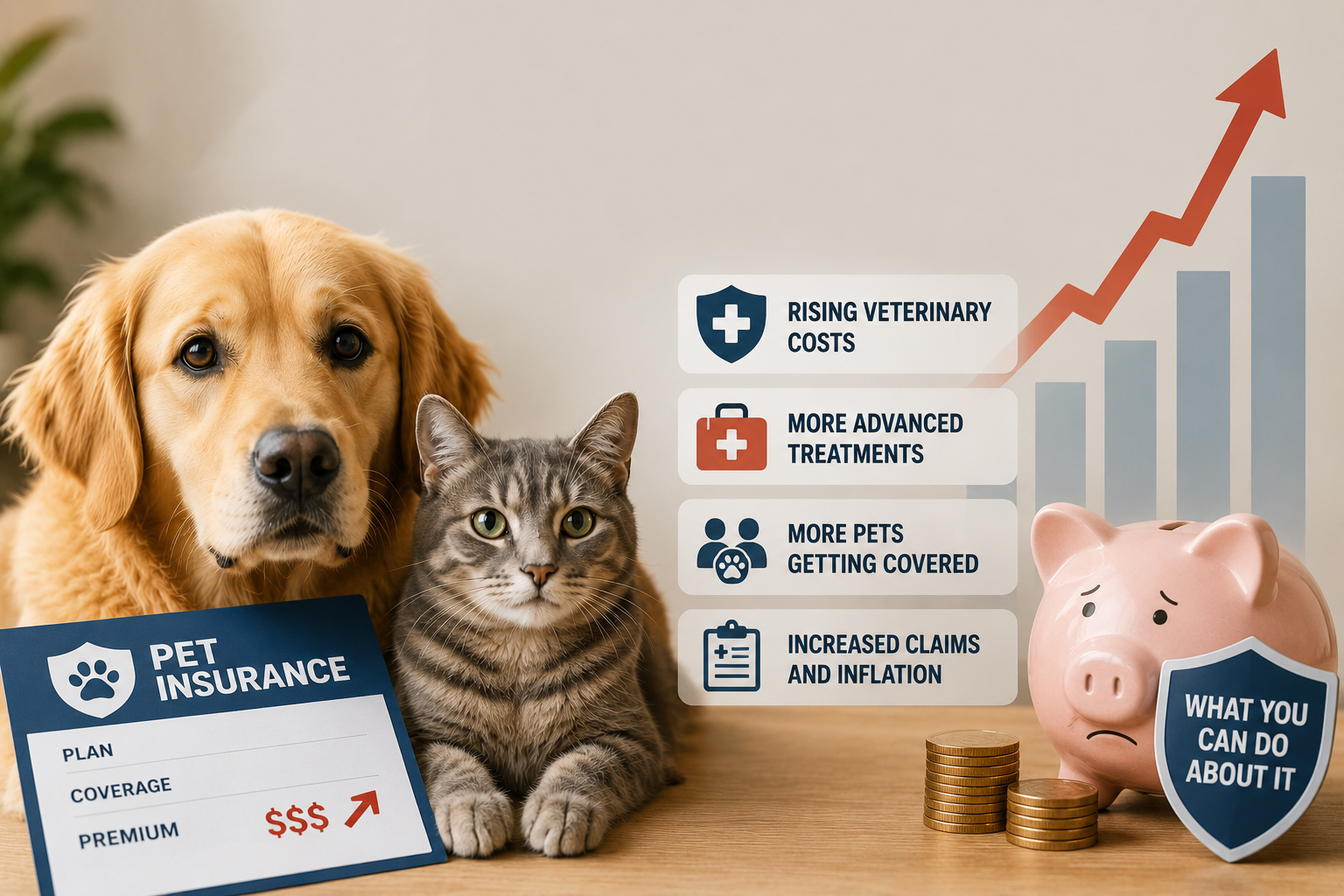
While these advancements offer incredible lifelines for our dogs and cats, they come with human-grade price tags. A single complex veterinary emergency can easily escalate into a $5,000 to $10,000 financial obligation.
This dramatic shift in veterinary capabilities has transformed pet insurance from a niche luxury into a core component of modern household financial planning. According to comprehensive industry data from Coherent Market Insights, the global pet insurance market is projected to reach $14.85 billion, driven heavily by an increase in canine cancer diagnoses and skyrocketing veterinary costs.
If you are considering a policy, you must understand exactly how these contracts are structured. This extensive guide breaks down what pet insurance covers, what it leaves out, and how to read the hidden clauses inside your policy documents.
The Three Core Pillars of Pet Insurance Coverage
1. Accident-Only Coverage
This is a baseline safety net designed strictly for unexpected physical trauma. It is the most budget-friendly policy style and is intended to mitigate the costs of sudden physical emergencies.
What it covers: Broken bones, lacerations from animal fights, motor vehicle impacts, bee stings, snake bites, torn nails, and emergency foreign body extractions (such as a dog swallowing a toy or a sock).
What it excludes: Any internal illness, infectious disease, or degenerative condition. If your dog develops an ear infection or a skin condition under an accident-only plan, the medical expenses are entirely your responsibility.
2. Accident and Illness Coverage (The Industry Standard)
This is the comprehensive coverage framework selected by the vast majority of pet parents. According to consumer insights, accident and illness policies account for roughly 70 percent of all active pet insurance contracts nationwide.
What it covers: Everything included in an accident plan, plus cancer treatments, chronic conditions (like diabetes and hyperthyroidism), hereditary conditions (like hip dysplasia), congenital defects, respiratory infections, digestive disorders, and behavioral conditions.
Why it is recommended: It eliminates the financial risk associated with long-term, systemic illnesses that require years of ongoing pharmaceutical support and specialty diagnostic testing.
3. Wellness and Routine Care Riders
Wellness coverage is rarely sold as a standalone policy. Instead, it functions as an optional, stackable add-on rider that you can append to an accident and illness plan for an additional monthly fee.
What it covers: Routine veterinary expenses that occur predictably throughout the year. This includes annual wellness exams, spay/neuter surgeries, dental cleanings, core vaccinations, microchipping, and routine fecal or heartworm screenings.
The financial reality: Unlike the unpredictable risks of accident and illness plans, wellness riders operate on a predictable cost structure. Insurance companies calculate the average annual cost of routine care, add an administrative margin, and divide it across your 12 monthly payments. Many pet parents choose to skip wellness riders and simply fund routine visits out of pocket.
Deep-Dive: What an Accident and Illness Plan Covers
To fully maximize an insurance policy, you need to understand the granular line items that qualify for reimbursement during a clinical visit. A standard comprehensive policy covers the following major categories:
Veterinary Services and Diagnostics
When your pet gets sick, discovering the underlying cause is often as expensive as the treatment itself. Comprehensive plans cover the advanced tools needed to build a clinical diagnosis:
Advanced Imaging: X-rays, ultrasounds, magnetic resonance imaging (MRIs), and computed tomography (CT) scans.
Laboratory Work: Comprehensive blood panels, urinalysis, cytology, biopsies, and cultures.
Specialist Consultations: Referrals to board-certified veterinary oncologists, cardiologists, neurologists, internal medicine specialists, and orthopedic surgeons.
Surgeries and Hospitalization
If your pet requires an inpatient stay or an operative procedure, the cumulative costs accumulate quickly. Covered line items typically include:
Operating room fees, surgical equipment, and surgical drapes.
Anesthesia, pre-operative blood screens, and continuous vital monitoring.
Overnight hospitalization stays, intensive care unit (ICU) nursing staff charges, intravenous (IV) fluids, and injectable pain medications.
Prescription Medications
Managing a long-term chronic condition or recovering from a major surgical intervention often requires continuous pharmaceutical therapy.
The Caveat: The medication must be explicitly prescribed by a licensed veterinarian to treat an active, covered accident or illness. General supplements, over-the-counter flea prevention, and maintenance vitamins are excluded.
Cancer Treatments
Oncology is one of the fastest-growing and most expensive fields in veterinary science. A comprehensive policy provides critical financial backing for modern cancer therapies:
Surgical tumor removals and biopsies.
Chemotherapy protocols and radiation treatments.
Targeted immunotherapies, specialized pain management therapies, and routine monitoring scans.
Hereditary and Congenital Conditions
Hereditary conditions are genetic issues that may not display clinical signs until later in an animal’s life. Congenital conditions are developmental anomalies present from birth.
Modern comprehensive policies cover these issues, provided your pet did not show clinical symptoms prior to your enrollment or during the policy waiting periods.
Common Condition
Highly Susceptible Breeds
Average Cost of Treatment
Hip Dysplasia
German Shepherds, Labradors, Saint Bernards
$3,500 – $7,000 per hip (Surgery)
IVDD (Spinal issues)
Dachshunds, French Bulldogs, Basset Hounds
$6,000 – $10,000 (Emergency Surgery)
Cataracts
Cocker Spaniels, Poodles, Boston Terriers
$2,500 – $4,000 per eye
Brachycephalic Syndrome
French Bulldogs, Pugs, English Bulldogs
$2,500 – $6,000 (Airway Overhaul)
Universal Exclusions: What Pet Insurance Never Covers
Understanding what your policy leaves out is just as vital as knowing what it covers. Exclusions protect insurance providers from systemic financial deficits, but they can catch unprepared pet owners off guard at the clinic desk.
1. Pre-Existing Conditions
The most foundational rule across the entire pet insurance industry is simple: no commercial insurance provider covers pre-existing conditions.
If your pet has been diagnosed with a health issue, treated for a condition, or displays active clinical symptoms documented in a veterinary chart before your policy goes live or during the initial policy waiting periods, that specific health condition is excluded from coverage for life.
For example, if your cat is treated for a urinary tract infection a week before you buy a policy, any future urinary tract issues will likely be denied as pre-existing complications.
2. Routine, Cosmetic, and Elective Procedures
Unless you pay for an additional wellness rider, insurance plans will not cover elective choices or standard cosmetic procedures.
Cosmetic Alterations: Tail docking, ear cropping, and dewclaw removals that are not medically necessary due to acute trauma.
Elective Dental: Cosmetic teeth whitening or standard cleaning procedures that do not stem from acute periodontal disease or traumatic injury.
Breeding and Reproduction: Pregnancy evaluations, artificial inseminations, whelping assistance, emergency C-sections, and fertility treatments are universally excluded from standard consumer plans.
3. Behavioral and Training Costs
While a few progressive providers now include basic behavioral therapy from a licensed veterinary behaviorist within their standard packages, the vast majority exclude general obedience training, housebreaking services, and behavioral corrections for issues like separation anxiety or aggression.
4. Non-Veterinary Expenses
Your policy is designed strictly to reimburse clinical medical care. It will not cover auxiliary costs associated with pet ownership, such as:
Standard professional grooming, medicated baths for non-medical maintenance, or nail trims.
Boarding fees, pet sitting services, or dog walking charges (even if you are hospitalized and cannot care for the animal, with rare exceptions found in boutique policies).
Waste disposal bags, specialized non-prescription dietary foods, and crate expenses.
The Hidden Fine Print: Waiting Periods and Bilateral Clauses
When reviewing a policy contract, you must look closely at the small-print mechanisms that govern how claims are evaluated. Two specific concepts account for a large percentage of consumer claim denials:
Policy Waiting Periods
When you sign up for a pet insurance policy and submit your first premium payment, your coverage does not activate immediately. Every provider implements mandatory waiting periods to prevent fraud (such as an owner buying a policy while sitting in an emergency clinic parking lot).
While exact timelines vary based on your state and provider, the standard industry baselines are:
Accident Coverage: 1 to 3 days from the policy inception date.
Illness Coverage: 14 days from the policy inception date.
Cruciate Ligament (CCL/ACL) Issues: 6 months to 12 months.
Why this matters: If your dog displays a hind-limb limp on day 12 of your policy, and a veterinarian later diagnoses a torn cruciate ligament, that injury will be classified as a pre-existing condition and permanently excluded, because the clinical symptoms manifested within the mandatory 14-day illness waiting period.
The Bilateral Condition Clause
A bilateral condition is any medical issue that can happen on both sides of an animal’s body. Common examples include canine cruciate ligament (CCL) tears, hip dysplasia, elbow dysplasia, and chronic cataracts.
Most pet insurance policies contain a strict bilateral clause. This clause states that if your pet has a documented pre-existing history of a bilateral condition on one side of their body before the policy started, the insurer will automatically exclude the other side of the body from future coverage.
For example, if your dog had a repaired left-leg CCL tear two years ago, and you purchase a new insurance policy today, the insurer will not cover a future right-leg CCL tear. Their actuarial models view the second tear as an inevitable extension of the original pre-existing skeletal weakness.
How Digital Trends Are Reshaping Coverage
The pet insurance landscape is undergoing a massive digital transformation driven by the preferences of tech-savvy pet parents. According to tech trend monitoring from FastrackCE, millennial and Gen Z owners heavily dominate new policy adoption, prioritizing digital transparency, real-time tracking, and virtual care integrations.
This cultural shift has forced insurance providers to expand what counts as a “covered expense.” Modern digital updates include:
Telehealth and Virtual Vet Integration: Many top-tier providers now offer 24/7 access to digital veterinary triage lines directly inside their apps. Consultations via video chat are frequently covered with zero copay, allowing owners to bypass expensive after-hours emergency room visits for minor symptoms.
AI-Automated Claims Processing: Legacy claims handling that took weeks has been replaced by artificial intelligence engines. Providers like Lemonade use automated triage algorithms to match uploaded vet invoices against medical chart notes, allowing standard claims to be approved and reimbursed via direct deposit within minutes of submission.
Alternative and Holistic Therapies: Responding to consumer demand for natural care, modern standard policies frequently cover alternative treatments. If prescribed by a licensed vet to manage a covered injury or chronic disease, treatments like acupuncture, hydrotherapy, chiropractic realignments, and cold laser therapy are widely eligible for reimbursement.
Step-by-Step: How to Read a Pet Insurance Policy Document
Before committing your financial resources to a monthly premium, you should always audit the underlying insurance policy document. Follow this clear sequence to ensure you know exactly what you are purchasing:
1.Review the Definition of ‘Pre-Existing’:Prerequisite Analysis.
Locate the exclusions section and read how the provider defines a pre-existing condition. Look closely to see if they offer a reinstatement window for “curable” conditions if your pet remains symptom-free for 12 to 24 months.
2.Inspect the Deductible Framework:Financial Settings.
Verify whether the policy uses an annual deductible or a per-incident deductible. An annual deductible only needs to be met once a year; a per-incident deductible requires you to pay the full deductible amount for every separate illness or injury category.
3.Check for Breed-Specific Waiting Periods:Fine Print Audit.
Scan the policy for extended waiting periods. Many companies place an automated 6-month or 12-month exclusion on orthopedic conditions like cruciate ligament tears or hip dysplasia, unless your veterinarian completes a specialized physical exam waiver form.
4.Verify the Exam Fee Policy:Invoice Line-Item Check.
Check if the company covers the base “veterinary exam fee” or “hospital fee” during an illness visit. Some companies cover the treatment but leave you to pay the $75 to $150 base exam room fee entirely out of pocket.
Summary Checklist: Is Your Pet Eligible?
Before navigating online quote engines, use this quick checklist to benchmark your pet’s current insurance readiness:
Age Check: Is your pet over 7 years old? If yes, look for providers without upper age limits (like Spot), as some carriers refuse new enrollments for older animals.
Medical Records: Do you have a clean copy of your pet’s complete medical chart history from every vet clinic they have visited? You will need this to verify their baseline health status.
Breed Risk Profile: Are you aware of your breed’s specific genetic vulnerabilities? Ensure your target policy does not impose sub-limits or caps on those specific conditions.
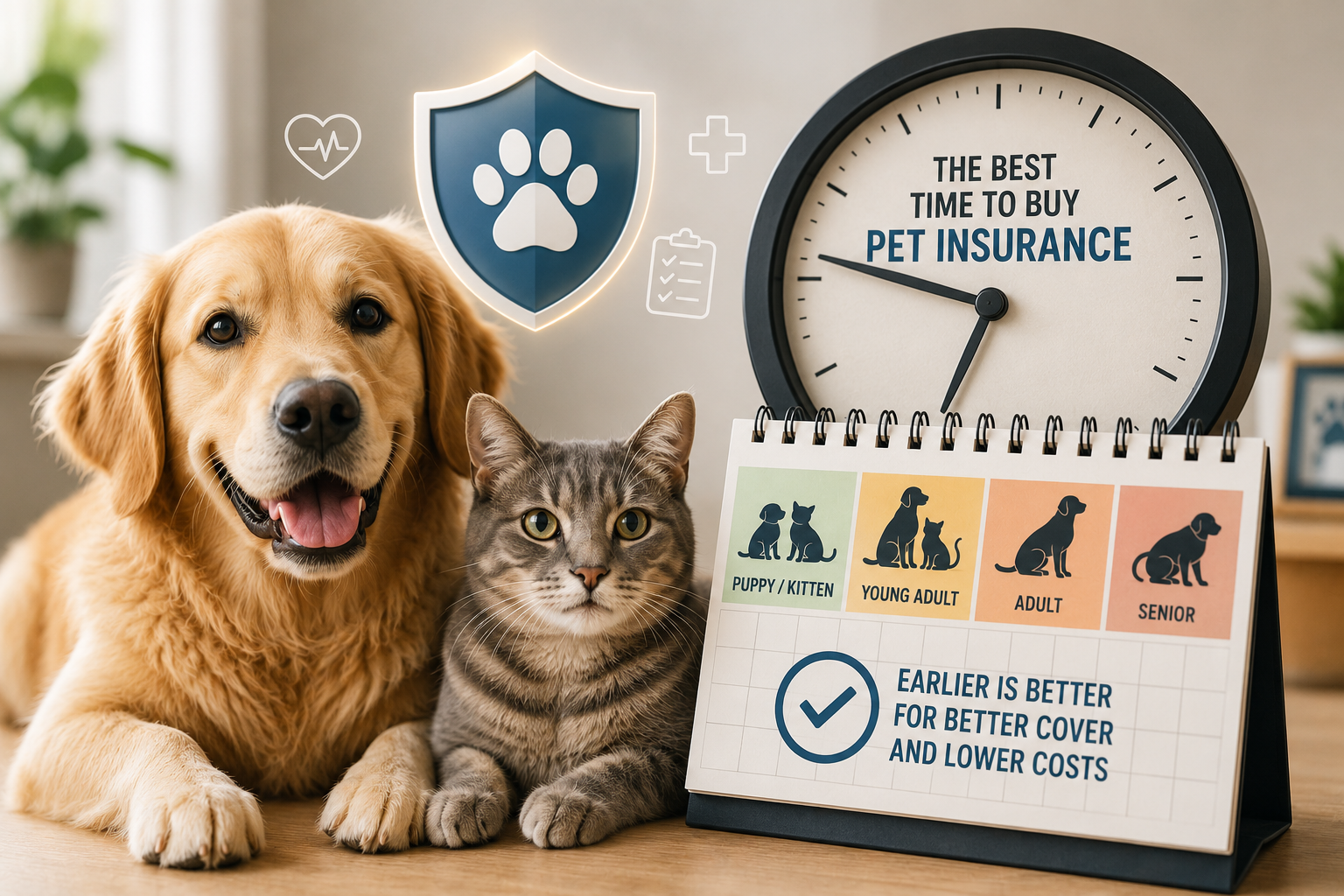
Securing a comprehensive policy while your pet is young and healthy locks in their medical coverage for the future. By knowing exactly what your plan covers, you can walk into any emergency veterinary clinic with complete confidence, knowing that your medical choices will be based on clinical efficacy rather than your bank account balance.