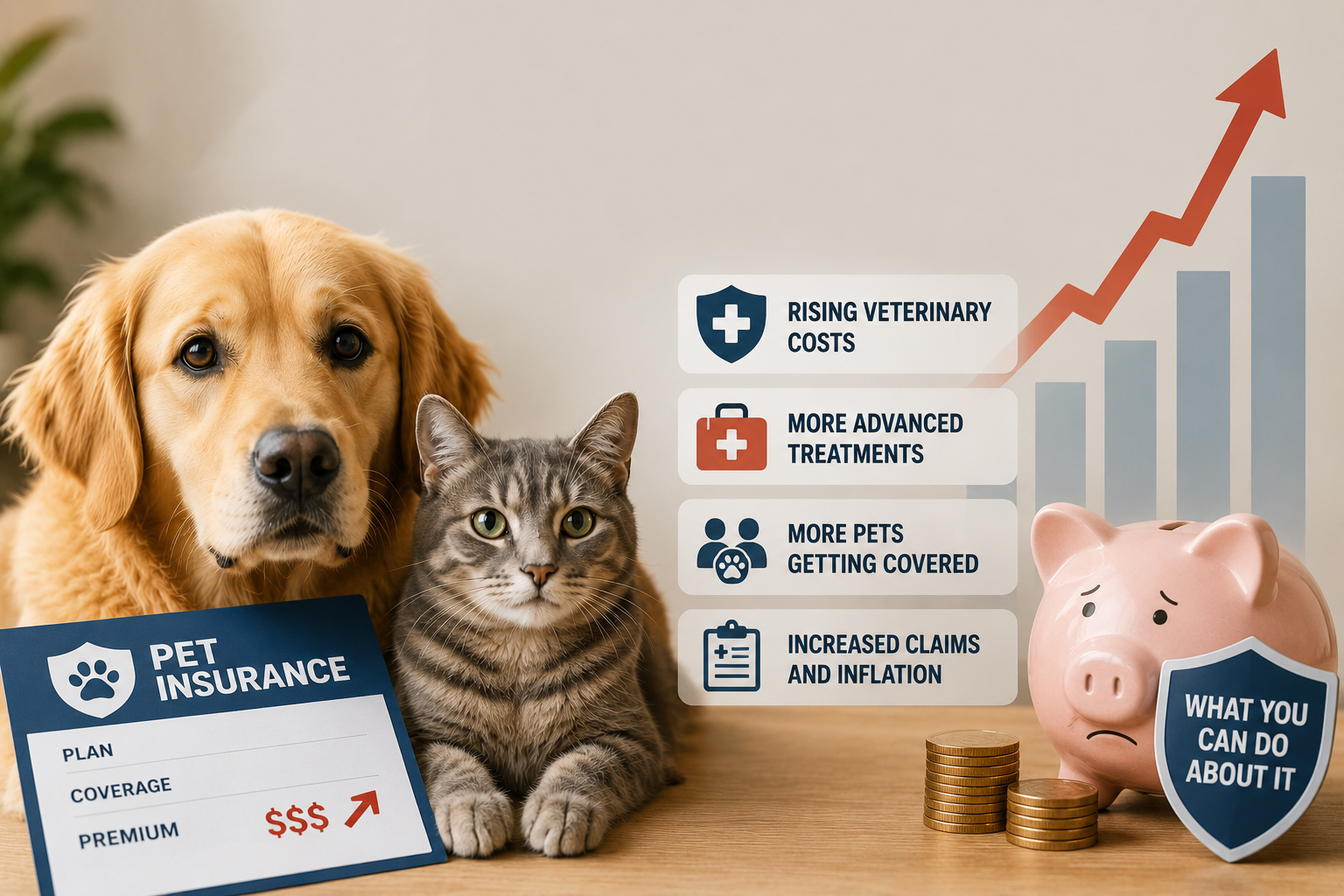
The relationship between a pet owner and their insurance provider can feel incredibly validating until the moment an unexpected medical emergency strikes. As veterinary care costs continue to scale globally, more families are turning to health coverage for their companion animals to avoid economic euthanasia or major financial shocks. In fact, large-scale consumer tracking reveals that in major test markets like the United States, nearly 21% of demographic groups like the Dog Aging Project participants now maintain dedicated pet healthcare policies, with the highest adoption concentrations found among millennial owners aged 25 to 34.
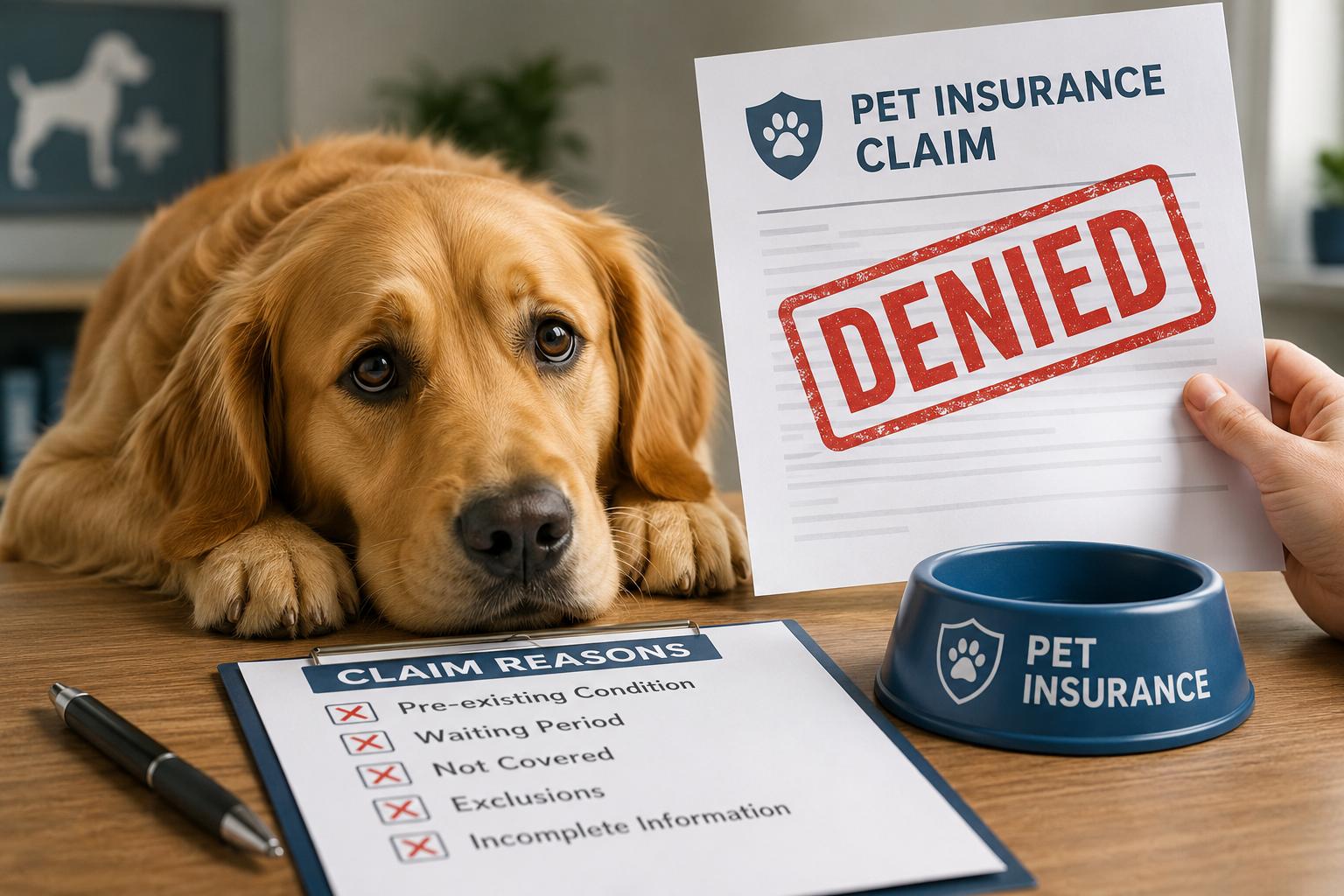
Yet, despite this growing consumer reliance, a significant and often painful friction point remains: the denial of insurance claims.
Understanding the underlying mechanics of insurance contracts is critical because, unlike traditional human health insurance networks, companion animal coverage operates almost exclusively under a property-casualty reimbursement infrastructure. Pet owners must pay out-of-pocket at the clinic first, then seek recovery for financial losses from their provider. When a claim gets blocked, pet parents face immediate out-of-pocket liabilities that can total thousands of dollars.
To demystify this process, this comprehensive analysis breaks down the leading legal, administrative, and clinical causes behind denied pet insurance claims, backed by recent industry insights, data-driven tables, and tactical recovery strategies.
Interactive Diagnostic Tool
Full Scale Pet Claims Audit & Risk Simulator
Simulate your policy profile against property-casualty claims underwriting rules to calculate denial risk and calculate real out of pocket exposure.
Step 1: Clinical Profile & Policy Details
Step 2: Medical Archive Evaluation
Step 3: Coverage Math Verification
Calculated Risk Index
PROCESSED RISK SCORE
Denial Probability Meter0%
Simulated Financial Settlement Ledger
Submitted Gross Hospital Charges:$0.00
Disallowed Exclusions Reduction:$0.00
Applied Deductible Allocation:$0.00
Your Co-Insurance Share Contribution:$0.00
Estimated Reimbursement Payout:$0.00
Customized Claims Strategy Blueprint
Review this automated defense overview based on the risk profile calculated above:
1. The Pre-Existing Condition Barrier
By far the most prevalent catalyst for policy friction across the global pet insurance industry is the pre-existing condition clause. In companion animal medicine, a pre-existing condition is legally defined as any illness, injury, or physical symptom that manifested, was diagnosed, or displayed noticeable indicators before the specific start date of the policy or during its initial administrative waiting periods.
Because standard industry regulations treat companion animals under property loss principles rather than the regulatory protections applied to human medical plans, providers are not legally required to cover historical medical issues.
Why Chronology Dictates Coverage
Many pet owners make the mistake of purchasing a plan immediately after noticing an unusual symptom, such as a slight limp or a recurring cough. If the pet is examined by a veterinarian and the medical chart notes that the symptom began before the policy coverage cleared its waiting phase, any subsequent diagnostic tests, prescription medications, or surgical interventions related to that specific anatomical issue will be systematically denied.
The underlying issue is that underwriting teams do not evaluate clinical history when you purchase a plan; instead, they audit the complete medical records at the exact moment the very first claim is filed. This creates a transparency gap where consumers pay monthly premiums for years under the false assumption that their animal is fully protected, only to face structural rejections due to an early, brief notation in an old veterinary chart.
2. Waiting Periods and Missing the Coverage Window
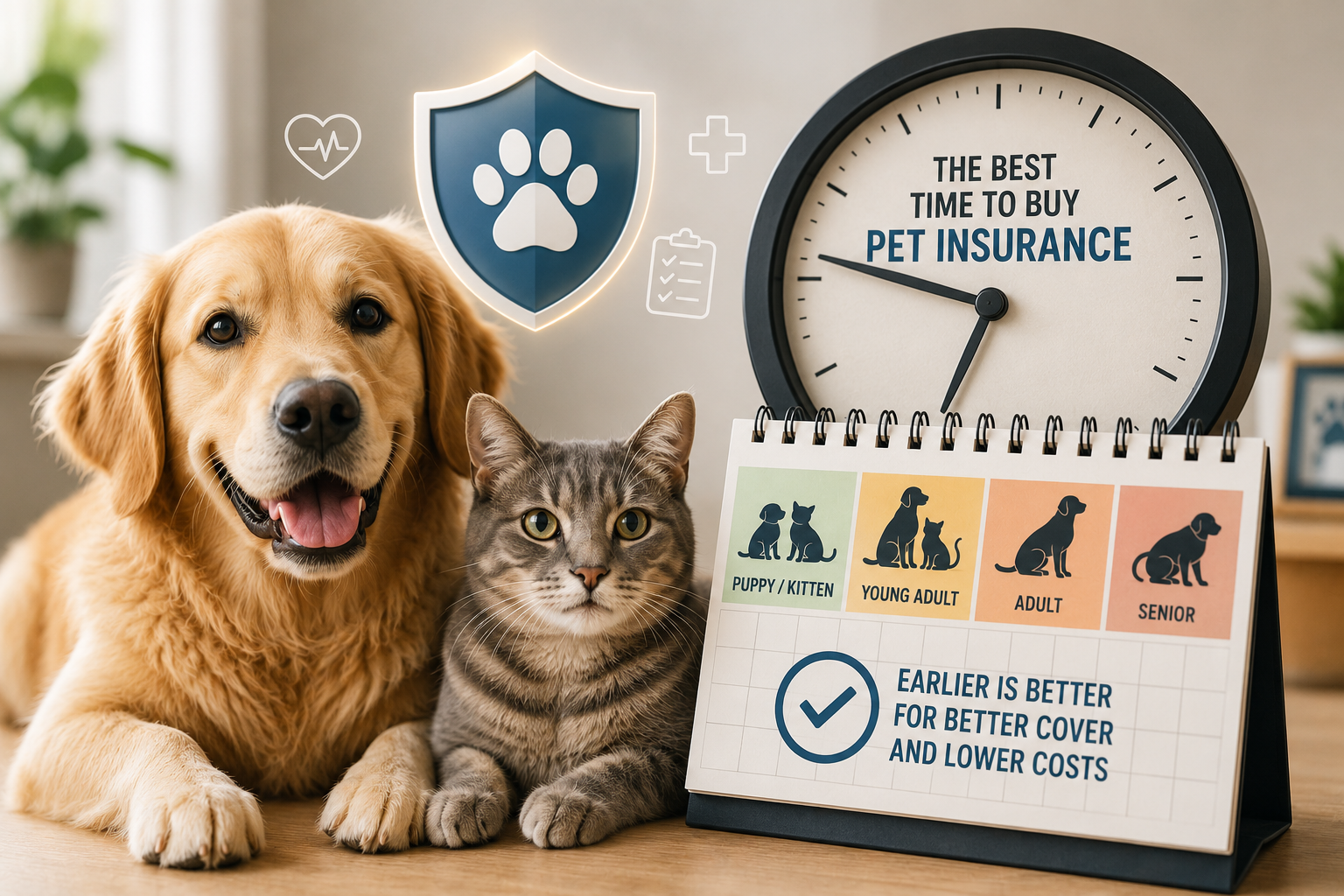
Every contemporary pet insurance policy includes dedicated waiting periods. These are mandatory windows of time immediately following policy enrollment during which no coverage is active for new medical conditions.
The industry standards for waiting periods typically break down into three distinct brackets:
Accidents: Typically activates 2 to 3 days post-enrollment, covering acute physical trauma like vehicular impact, lacerations, or foreign object ingestion.
Illnesses: Frequently spans 14 days from the policy activation date, excluding infectious diseases, metabolic conditions, and cancer treatments initiated within this window.
Orthopedic Conditions: Can extend anywhere from 6 months to a full year for specific bilateral structural issues, most notably canine cruciate ligament failures and hip dysplasia.
If a dog tears its cranial cruciate ligament (CCL) on day 12 of a policy, the entire continuum of care for that orthopedic failure will be permanently classified as an uncovered event. The following table highlights standard industry timeframes and the financial risks associated with early clinical presentation.
Cruciate ligament tears, hip dysplasia, patellar luxation
Severe
3. Exclusion Profiles: What Standard Policies Skip
Even if a condition is entirely new and develops long after all waiting periods have cleared, a claim can still be denied if it falls under a plan's structural exclusions. Understanding the boundaries of your specific tier of coverage is essential to avoiding unexpected out-of-pocket expenses.
Dental Care and Periodontal Disease
Comprehensive data tracking shows that dental issues, particularly periodontal disease, represent one of the fastest-growing claims categories in veterinary medicine for both aging canine and feline populations. Statistical modeling reveals that the risk of periodontal disease claims scales dramatically with the biological age of the animal, exhibiting higher baseline frequencies in female dogs and presenting significant, breed-specific structural variations.
Despite this high clinical frequency, standard accident and illness plans do not automatically cover routine dental cleanings, preventative scaling, or tooth extractions caused by underlying, unmanaged decay. Unless a pet parent pays an additional premium for a specialized dental rider, claims for periodontal work are routinely rejected as maintenance care.
Routine Wellness and Preventative Maintenance
Standard accident-and-illness models explicitly reject claims for preventative medicine. This includes routine wellness exams, annual vaccinations, heartworm screening, flea and tick preventative topicals, and elective desexing procedures (spaying and neutering).
Behavioral Conditions and Alternative Therapies
Treatments for separation anxiety, compulsive behaviors, or aggression, along with complementary modalities like hydrotherapy, acupuncture, and chiropractic adjustments, require specialized policy add-ons. If these treatments are submitted under a baseline policy, they will be denied.
Prescription Diets and Supplements
While a veterinarian may prescribe a highly specialized, medicated diet to manage urinary stones, renal failure, or severe food allergies, most insurance adjusters categorize food as a baseline husbandry expense rather than a clinical pharmaceutical intervention, leading to prompt claim denials.
4. Administrative and Clinical Record Failures
A significant portion of insurance friction stems from simple paperwork errors, administrative missed deadlines, or poor clinical data entry rather than complex contractual exclusions.
Inadequate Clinical Record Keeping
When you submit a claim, the claims adjuster reviews the soap notes (Subjective, Objective, Assessment, Plan) generated by your attending veterinarian. Studies examining professional complaints and claims management show that a primary structural driver of consumer disputes is inadequate clinical record keeping and vague diagnostic descriptions in the pet's electronic file.
If a clinician uses ambiguous phrasing, such as noting that a pet has been vomiting "off and on for months" instead of detailing a sudden, acute 24-hour episode, the insurer may retroactively push the onset date back into an excluded or pre-existing timeframe, resulting in a denial.
Strict Timelines for Claim Submissions
Insurance policies carry rigid expiration dates for paperwork submission. Depending on the provider, pet parents generally have between 90 days and one year from the exact date of service to file a formalized claim. Gathering bills, itemized receipts, and clinical charts months after an emergency often leads to missed submission deadlines and automatic system rejections.
5. Strategic Guide to Minimizing Claim Denials
Navigating the pet insurance ecosystem requires a proactive approach to medical records and policy boundaries. Rather than waiting for a financial crisis at the veterinary hospital desk, pet owners can implement specific preventative steps to safeguard their coverage.
Step 1: Secure a Pre-Existing Assessment
To eliminate the anxiety of unknown exclusions, look for forward-thinking providers that offer a formalized, binding pre-existing condition assessment within the first 30 days of initial policy activation. This process compels the insurer to audit your animal's complete medical history immediately, giving you a transparent, line-item look at exactly what will and will not be covered before you spend years paying premiums.
Step 2: Utilize Pre-Authorizations for Major Surgeries
For expensive, non-emergency interventions such as advanced orthopedic repairs, oncology protocols, or complex spinal imaging always request that your veterinarian submit a formal pre-authorization form directly to your insurer before performing the procedure. This administrative check forces the underwriting team to confirm coverage validity and specify reimbursement rates before you owe the clinic.
Step 3: Maintain a Centralized Medical History
Ensure that every veterinary clinic, emergency hospital, and specialized practitioner your pet visits routes their complete, itemized medical records back to a single primary care facility. Having an unbroken, chronologically clean medical archive ensures that your insurer receives an accurate representation of your pet's health during a claims audit.
6. How to Appeal a Denied Claim
If your pet insurance claim is rejected, the decision is not necessarily final. Because nearly half of independent medical reviews across various insurance sectors result in overturned decisions when properly formatted and contested, pet owners have a realistic path to recovery.
Tier 1: Conduct a Policy Discrepancy Audit
Carefully review the explanation of benefits (EOB) sent by your provider to locate the specific denial code. Cross-reference this code directly against the explicit text of your policy handbook. Ensure the adjuster did not misinterpret a standard, covered diagnostic tool such as an advanced ultrasound or a specialized blood panel as an experimental or excluded treatment.
Tier 2: Secure a Clinical Support Letter
If the denial hinges on an ambiguous chart entry or an inaccurate timeline suggestion, speak with your attending veterinarian. Ask them to write an official, objective letter of clarification on the clinic's letterhead. This letter should explicitly state the acute nature of the condition, clarify the timeline of the symptoms, and clarify that the treatment was not a continuation of any historical medical issues.
Tier 3: Escalate to State Insurance Regulators
If your internal appeals are exhausted and you can demonstrate that the insurer is acting in bad faith or misinterpreting their own contractual terms, you can escalate the dispute. File a formal complaint with your state or regional insurance commissioner or consumer protection bureau to initiate an independent regulatory review.
Critical Takeaway: Pet insurance operates on a strict reimbursement model. Securing an early medical history audit and requesting clear charting from your veterinarian are your best lines of defense against unexpected claim denials.